Healthy aging combines physical activity, balanced nutrition, social connections, and mental well-being. Engaging in strength training and outdoor activities boosts metabolism and mood. A diet rich in superfoods supports health, whereas hydration is essential. Strong social ties improve emotional support and longevity. Mindfulness practices and cognitive exercises enhance mental resilience. Regular health screenings catch issues early. These strategies collectively contribute to a lively later life. More insights await on improving the quality of one’s golden years.
Article Highlights
- Engage in regular physical activity, such as strength training and outdoor activities, to boost metabolism and enhance mood.
- Prioritize a balanced diet rich in nutrient-dense foods, including superfoods like berries and leafy greens.
- Foster strong social connections through community involvement and friendships to promote emotional well-being.
- Practice mindfulness and mental challenges to enhance cognitive function and reduce stress levels.
- Stay proactive with essential health screenings to detect and address potential health issues early.
How to Incorporate Physical Activity for a Longer Life
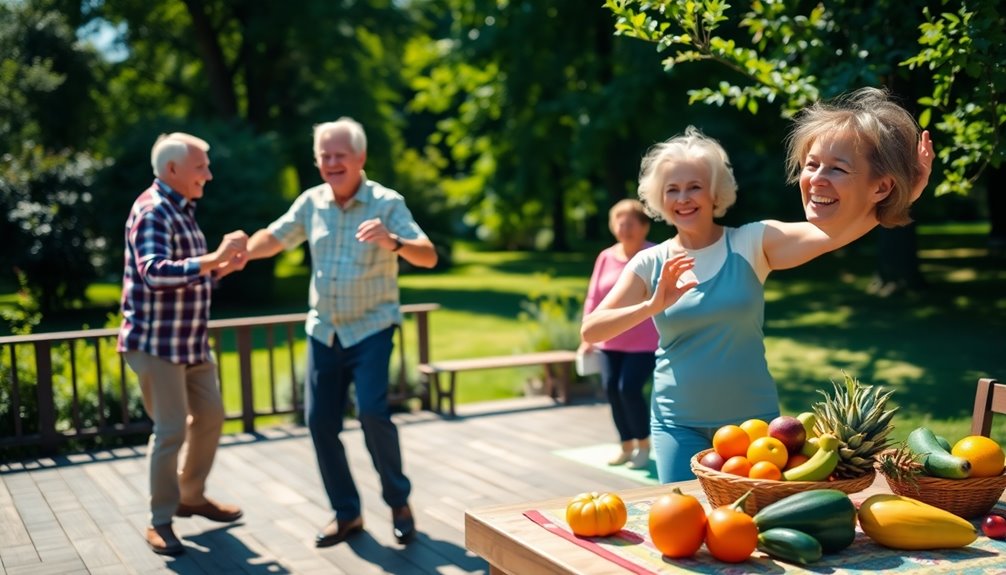
Incorporating physical activity into daily routines can greatly improve longevity and overall health. Engaging in strength training not only builds muscle but also boosts metabolism, making it crucial for aging individuals. Outdoor activities, such as hiking or gardening, provide fresh air and sunlight, uplifting mood and energy. Yoga benefits include increased flexibility and stress reduction, promoting mental well-being. Establishing walking routines allows for low-impact exercise, which is advantageous for cardiovascular health. Balance exercises, like tai chi, help prevent falls, ensuring safety as one ages. Finally, finding fun workouts, whether through dance or group classes, encourages social connections and maintains motivation. By integrating these activities, individuals can cultivate a healthier, more dynamic lifestyle.
Healthy Nutrition for Aging Well
As individuals age, maintaining a balanced diet becomes vital for promoting health and vigor. Prioritizing nutrient density is fundamental, as it guarantees that meals are rich in vitamins and minerals, minimizing empty calories. Effective meal planning can help seniors incorporate a variety of foods, enabling them to reap the superfoods benefits associated with berries, leafy greens, and fatty fish. Hydration importance cannot be overstated; adequate water intake supports metabolic functions and overall well-being. Furthermore, balanced diets should include whole grains, lean proteins, and healthy fats. Practicing mindful eating encourages awareness of hunger cues and promotes satisfaction, helping to avoid overeating. Together, these nutrition strategies contribute greatly to healthy aging and improved quality of life.
Build Strong Social Connections for Longevity
How can strong social connections improve longevity? Research indicates that individuals with robust social ties tend to live longer, healthier lives. Engaging in community activities nurtures a sense of belonging, which can mitigate feelings of loneliness and depression. Friendship circles provide emotional support and opportunities for shared experiences, improving overall well-being. Active participation in community engagement, such as volunteering or joining local clubs, not only cultivates relationships but additionally stimulates cognitive function and physical health. These social networks serve as crucial resources, offering encouragement and companionship throughout the aging process. By prioritizing connections with others, individuals can greatly improve their quality of life and longevity, making social interaction a fundamental component of healthy aging.
Take Care of Your Mind: Tips for Mental Well-Being
A wealth of research underscores the significance of mental well-being in the aging process. Prioritizing mental health can improve quality of life and promote longevity. Engaging in mindfulness practices, such as meditation or deep-breathing exercises, can help reduce stress and enhance emotional resilience. These techniques cultivate a greater awareness of the present moment, which can alleviate anxiety and boost overall mood.
Moreover, cognitive exercises play an essential role in maintaining mental acuity. Activities like puzzles, reading, or learning new skills stimulate the brain and encourage neural connections. Regularly challenging the mind not just sharpens cognitive abilities but also combats age-related decline. By incorporating these strategies, individuals can nurture their mental well-being and contribute to a fulfilling, dynamic later life.
Essential Health Screenings for Aging Gracefully
While many focus on diet and exercise, essential health screenings play an important role in aging gracefully. Regular check-ups can help detect issues early, ensuring a healthier future. Key screenings include assessments of blood pressure and cholesterol levels, which are critical for heart health.
| Health Screening | Recommended Frequency |
|---|---|
| Blood Pressure | Every 1-2 years |
| Cholesterol Levels | Every 4-6 years |
| Blood Glucose | Every 3 years |
| Cancer Screenings | As recommended by a doctor |
Being proactive about these screenings empowers individuals to manage their health effectively. Comprehending these metrics helps in making informed lifestyle choices, in the end promoting vitality and longevity in later years.
Frequently Asked Questions
What Role Does Sleep Play in Healthy Aging?
Sleep plays a crucial role in healthy aging by greatly influencing both physical and mental well-being. Improved sleep quality boosts cognitive function, mood, and overall health, while sleep benefits include better immune response and reduced risk of chronic diseases. As individuals age, prioritizing restful sleep becomes important, as disruptions can lead to cognitive decline and increased stress levels. Consequently, nurturing good sleep habits is fundamental for maintaining vitality and longevity in later years.
How Can I Manage Stress Effectively as I Age?
Managing stress effectively as one ages involves incorporating mindfulness practices and relaxation techniques into daily routines. By engaging in activities such as meditation or deep breathing exercises, individuals can boost their emotional resilience. Regularly practicing these stress reduction methods not just cultivates a sense of calm but also improves overall well-being. In the end, integrating these approaches helps individuals navigate the challenges of aging with greater ease and a more positive outlook on life.
Are Supplements Necessary for Healthy Aging?
Supplements are not strictly necessary for healthy aging, but they can be beneficial in certain cases. As people age, nutrient absorption often declines, making it harder to meet dietary needs. Although some may argue that a balanced diet suffices, supplements can help fill gaps, especially if safety and quality are guaranteed. In the end, individuals should consult healthcare professionals to evaluate their unique nutritional requirements and determine if supplements are advisable for their well-being.
What Hobbies Promote Mental Engagement in Later Years?
Hobbies that promote mental engagement in later years include art therapy, which nurtures creativity and emotional expression. Brain games challenge cognitive skills, whereas learning languages stimulates mental agility. Gardening benefits not just physical health but additionally provides a calming, engaging activity. Musical activities improve memory and emotional well-being, and puzzle solving sharpens problem-solving abilities. Together, these pursuits create a rich mosaic of mental stimulation, encouraging a lively, active mind during later years.
How Can I Maintain Independence as I Age?
Maintaining independence as one ages is akin to steering a well-charted course. Personal mobility can be improved through appropriate home modifications, like installing grab bars and ramps. Establishing a network of social connections nurtures emotional support, making daily routines more manageable. Engaging in regular physical activity likewise boosts strength and balance, further promoting autonomy. By addressing these aspects, individuals can create an environment that encourages independence and elevates their quality of life.