
Before choosing a mortgage, homebuyers should focus on what they can comfortably afford, not the maximum amount a lender is willing to offer. They should compare loan types, fixed and adjustable interest rates, and 15- or 30-year repayment terms based on their income, existing debt, and long-term plans. They should also budget for closing costs, property taxes, homeowners insurance, and maintenance while keeping enough savings for emergencies. Even small changes in interest rates can affect the total cost of borrowing, so it’s important to understand how each mortgage decision affects affordability.
Article Highlights
- Determine what you can comfortably afford, including debts, taxes, insurance, maintenance, and an emergency savings cushion.
- Compare mortgage types carefully, including conventional, government-backed, jumbo, and other specialized loan options, based on your financial situation.
- Choose between fixed and adjustable rates by balancing payment stability against potential short-term savings and future rate risk.
- Review how interest rates, loan terms, and closing costs affect monthly payments, total interest, and overall affordability.
- Consider long-term plans like job stability, family changes, refinancing opportunities, and how long you expect to stay in the home.
What Mortgage Can You Afford?
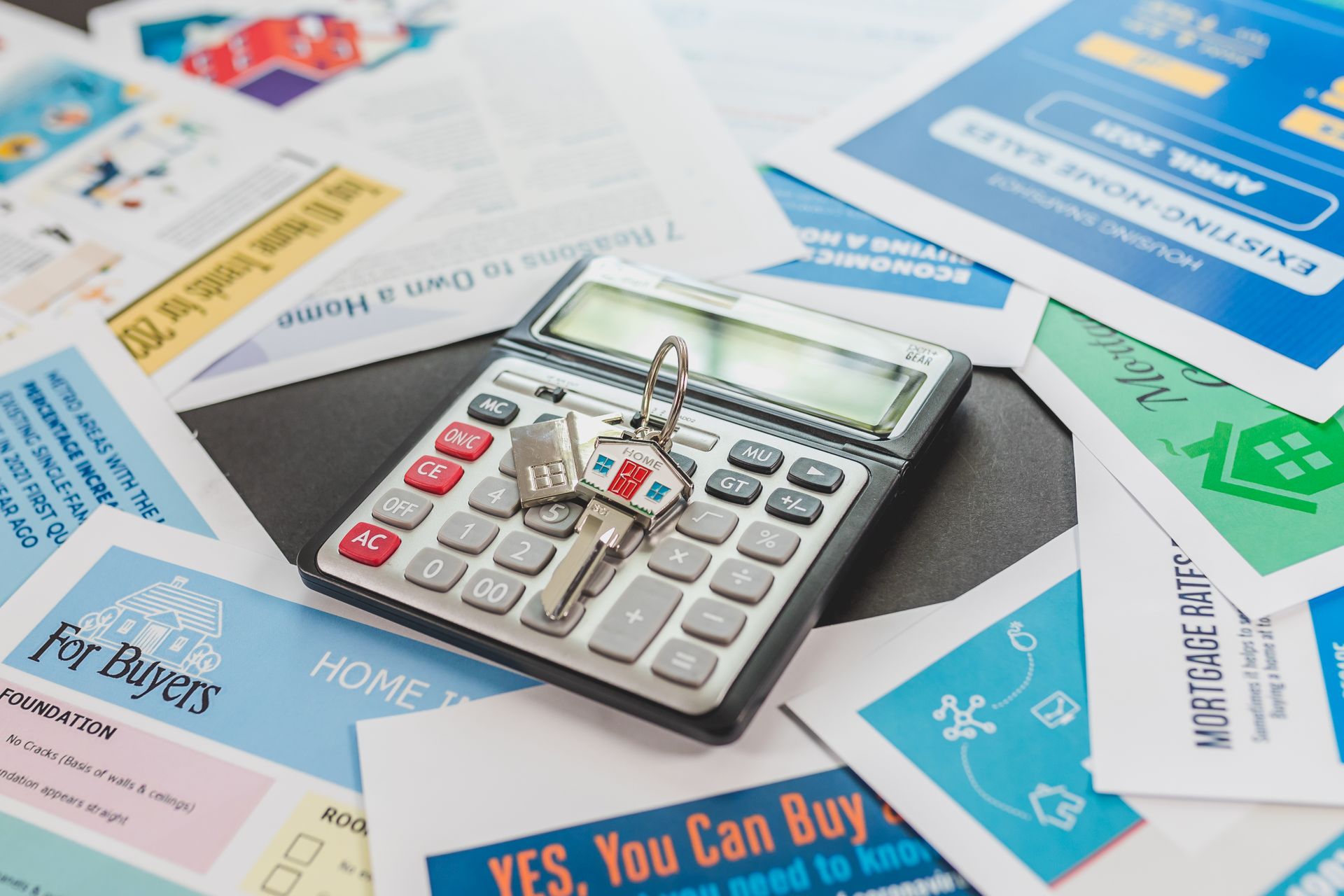
How much mortgage can a buyer comfortably afford? It starts with a clear budget assessment rather than a lender’s maximum offer. Buyers should consider their income stability, monthly obligations, and debt-to-income ratio before setting a payment target. A strong credit score may improve available loan options, but affordability ultimately depends on whether monthly payments leave enough room for other financial needs.
They should also account for future expenses, including home maintenance, property taxes, insurance, and possible lifestyle changes. Monitoring market trends and local housing prices can help buyers understand changing affordability conditions and make more informed purchasing decisions. However, they should avoid taking on more debt than their budgets can comfortably support. Comparing loan estimates from multiple lenders can also help clarify borrowing costs and identify a mortgage that supports long-term financial stability.
Which Mortgage Type Fits You?
The right mortgage type depends on more than the interest rate, since each loan balances borrowing costs, eligibility requirements, and financial risks differently. Buyers should compare conventional loans, government-backed mortgages, jumbo loans, and specialized financing options based on their income, savings, credit history, and long-term goals.
A first-time buyer may consider government-backed loans, such as FHA, VA, or USDA mortgages, depending on eligibility. Someone with a strong credit profile might prefer a conventional loan if its rates and fees are competitive. Buyers who do not meet traditional mortgage requirements may also explore non-QM mortgage options, which can offer alternative ways to qualify based on their financial circumstances. Jumbo mortgages are designed for home purchases that exceed applicable conforming loan limits and generally have specific qualification requirements. Interest-only mortgages may offer lower initial payments, but they do not reduce the loan principal during the interest-only period. Borrowers should understand how payments may change when principal repayment begins.
Buyers should also compare lender fees, repayment terms, property taxes, and ongoing homeownership expenses. A lender’s reputation, communication, and loan servicing practices can further influence the overall borrowing experience.
Should You Choose Fixed or Adjustable?

Choosing between a fixed-rate and adjustable-rate mortgage can affect both monthly payments and long-term borrowing costs. A fixed-rate mortgage keeps the interest rate unchanged throughout the loan term, making principal and interest payments more predictable. This can help buyers plan their budgets with greater certainty.
An adjustable-rate mortgage may begin with a lower introductory rate, but the interest rate can change after the initial fixed period ends. Depending on market conditions and the loan’s terms, future payments may increase or decrease.
- Fixed-rate mortgages offer predictable principal and interest payments.
- Adjustable-rate mortgages may provide lower initial interest rates.
- Future rate adjustments can increase monthly payments.
- The expected length of homeownership can influence which option is suitable.
- Buyers should review rate adjustment limits and refinancing costs before deciding.
The best choice depends on how long buyers expect to stay in the home, how stable their income is, and how much payment uncertainty they can manage. Monitoring inflation trends can also help buyers understand how rising living costs may affect their household budgets and long-term affordability. Understanding the potential risks of each mortgage option can help them select a loan that fits their financial plans.
How Do Mortgage Rates Affect Cost?
Mortgage rates play a major role in determining how much a homebuyer pays over the life of a loan. Even a small increase in the interest rate can raise monthly principal and interest payments and increase the total amount of interest paid. Buyers should therefore understand how mortgage rates affect both monthly affordability and long-term borrowing costs.
Interest Rate Impact
Broader economic conditions and lender pricing influence mortgage interest rates, while a borrower’s credit profile and loan details can affect the rate offered. Comparing offers from multiple lenders can help buyers understand their options and identify competitive terms.
- Lower rates usually mean lower borrowing costs.
- Higher rates can reduce how much a buyer can afford to borrow.
- Fixed rates provide more predictable principal and interest payments.
- Adjustable rates may start lower but can vary.
- Comparing lenders can help buyers find more competitive loan terms.
Long-Term Payment Changes
A mortgage rate’s effect extends beyond the monthly payment. Over a long repayment period, even a modest difference in interest rates can change the total amount a borrower pays. Buyers should compare the full loan cost rather than focusing only on the initial monthly payment.
| Rate | Monthly Cost | Long-Term Effect |
|---|---|---|
| Lower | Smaller | Less interest paid |
| Moderate | Manageable | Balanced total cost |
| Higher | Larger | More interest paid |
| Fixed | Stable | Predictable payments |
Reviewing different rate offers and repayment terms can help borrowers understand how each mortgage affects their long-term budget. Those comparisons can also help them decide whether a fixed or adjustable rate better matches their financial situation.
Should You Pick a 15- or 30-Year Loan?

When choosing between a 15- or 30-year loan, buyers should weigh the trade-off between monthly affordability and total interest paid. A shorter loan duration usually means higher payments but faster ownership and less interest overall. A longer term often lowers monthly pressure and gives more payment flexibility, which can support other goals and preserve breathing room. Buyers should also account for closing costs, which typically range from 2% to 5% of the home purchase price and can increase the amount of cash needed at closing.
- 15-year loans build equity faster.
- 30-year loans reduce monthly strain.
- Shorter terms usually carry lower rates.
- Longer terms offer greater budget freedom.
- Buyers can compare goals, income, and risk tolerance.
Someone seeking independence may prefer the option that best matches lifestyle priorities. If steady cash flow matters most, a 30-year loan can create room to maneuver. If freedom means eliminating debt sooner, a 15-year loan may feel more empowering over time.
How Much Cash and Fees Do You Need?
How much cash a buyer needs depends on more than the down payment. Buyers should consider all upfront expenses before committing to a mortgage, including closing costs, prepaid expenses, and other fees. Interest rates can also affect the overall cost of borrowing and the monthly payment, while a smaller down payment may result in higher payments or mortgage insurance requirements. Comparing lender offers and understanding the full cost of borrowing can help buyers prepare financially.
They should likewise budget for closing costs, which often include lender fees, appraisal charges, title services, prepaid taxes, and homeowners insurance. Some buyers negotiate seller concessions or lender credits to reduce what they bring to closing. Keeping extra savings after move-in matters too, since repairs, utility deposits, and furnishing costs can arrive fast. A smart buyer protects flexibility by avoiding the mistake of draining every available dollar to get the keys.
Frequently Asked Questions
How Does My Credit Score Impact Mortgage Approval Chances?
A credit score can influence mortgage approval, interest rates, and loan terms. Lenders use credit information to evaluate how borrowers have managed past debts and assess lending risk. Higher credit scores may help borrowers qualify for more competitive rates, while lower scores can lead to additional requirements or higher borrowing costs. However, approval also depends on income, existing debts, down payment, and the lender’s eligibility guidelines. Reviewing credit reports and addressing errors before applying can help borrowers prepare for the mortgage process.
Can I Qualify for a Mortgage With Student Loan Debt?
Yes, borrowers can qualify for a mortgage while carrying student loan debt. Lenders generally consider student loan payments when calculating the debt-to-income ratio, along with other monthly obligations. Debt amount, income, credit history, and the mortgage program can all affect eligibility. Making payments on time and managing other debts can help borrowers strengthen their applications. Buyers should compare lender requirements to understand how their student loan obligations may affect their borrowing options.
What Documents Are Required During the Mortgage Application Process?
Mortgage lenders typically request documents that verify a borrower’s identity, income, employment, assets, and existing debts. These may include recent pay stubs, W-2 forms, tax returns, bank statements, employment records, and government-issued identification. Lenders may also review credit reports and request additional documentation depending on the borrower’s financial situation. Self-employed applicants may need business tax returns, profit-and-loss statements, or other records to verify income. Preparing these documents early can help make the application process smoother.
Should I Get Pre-Approved Before House Hunting Begins?
Getting pre-approved before house hunting can help buyers understand how much they may be able to borrow and set a realistic price range. A preapproval letter can also show sellers that a buyer has taken initial steps toward securing financing. However, pre-approval does not guarantee final mortgage approval, since lenders still need to verify financial information and review the property before closing. Buyers should keep their financial circumstances stable and update their lender if their income, debts, or credit situation changes.
Can I Refinance Later if Interest Rates Drop?
Yes, borrowers may be able to refinance if mortgage rates fall or their financial circumstances change. Refinancing replaces an existing mortgage with a new loan that may offer a different interest rate, repayment period, or monthly payment. However, borrowers should compare potential savings with closing costs, lender fees, and the remaining term of their current mortgage. Reviewing these factors can help determine whether refinancing makes financial sense.