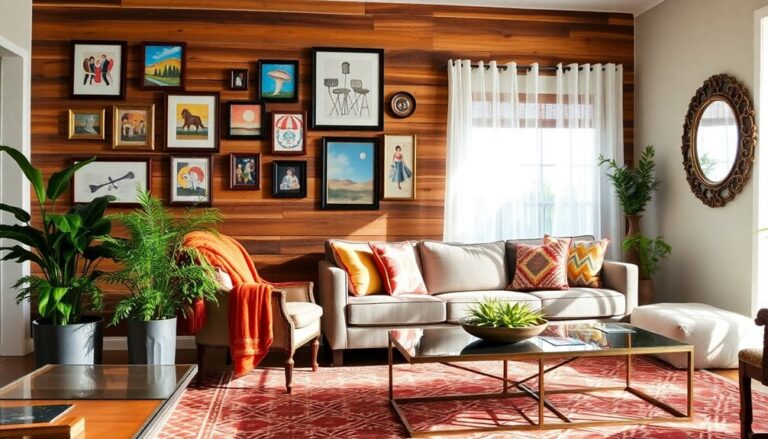

To brighten any space using layered lighting design, combine ambient, task, and accent lighting for a well-balanced atmosphere. Ambient lighting sets the mood, whereas task lighting focuses on specific areas for functionality. Accent lighting adds visual interest and highlights features. Choosing the right fixtures will complement your style. Pay attention to color temperature, as it influences ambiance. Incorporating dimmers can improve versatility. There’s much more to explore to create the perfect lighting scheme for your space.
Article Highlights
- Combine ambient, task, and accent lighting to create a balanced and inviting atmosphere in any space.
- Maximize natural light by utilizing windows and reflective surfaces to enhance brightness.
- Use warm color temperatures for cozy environments and cooler tones for focused work areas.
- Incorporate dimmer switches to adjust brightness and tailor the ambiance for various activities.
- Select fixtures that reflect your personal style while ensuring functionality and aesthetic appeal.
Understanding Layered Lighting Design Principles
When you think about effective lighting in a space, it’s essential to understand the principles of layered lighting design. Layered illumination creates a warm and inviting atmosphere that makes everyone feel at home. By combining different lighting types, you’ll improve the space’s lighting dynamics, allowing for versatility and comfort. Think of it as creating a cozy environment where you can gather with friends or unwind after a long day. Each layer serves a unique purpose, whether it’s for functionality or ambiance, and helps establish a sense of belonging. Embracing these principles can transform any area into a welcoming haven, where the light reflects your personality and invites others to share in the experience.
The Basics of Layered Lighting: Ambient, Task, and Accent Types
Layered lighting design relies on three fundamental types: ambient, task, and accent lighting. Each plays a unique role in creating a warm, inviting atmosphere that feels like home.
- Ambient Lighting: Provides overall illumination using ambient light sources like ceiling fixtures or wall sconces.
- Task Lighting: Focuses on specific areas, ensuring effective task light placement for activities like reading or cooking.
- Accent Lighting: Highlights artwork or architectural features, adding depth and interest.
- Combination: Use all three types to achieve a balanced effect.
- Personal Touch: Choose fixtures that reflect your style and make your space feel uniquely yours.
Creating a Balanced Lighting Scheme
To create a balanced lighting scheme, you need to contemplate the different types of lighting layers and how they’ll work together. Think about where to place each layer for maximum effect, ensuring no area feels too bright or too dim. By strategically combining ambient, task, and accent lighting, you can achieve a harmonious and functional space.
Types Of Lighting Layers
Creating a balanced lighting scheme involves grasping the various types of lighting layers at your disposal. Each layer plays an essential role in enhancing your space’s visual comfort and overall atmosphere, much like ambient sound enriches a room’s vibe. Here are the key types of lighting layers you should consider:
- Ambient Lighting: Provides overall illumination and sets the mood.
- Task Lighting: Focuses on specific areas for activities like reading or cooking.
- Accent Lighting: Highlights artwork or architectural features, adding drama.
- Decorative Lighting: Serves as a design element, like chandeliers or unique fixtures.
- Natural Lighting: Utilizes sunlight, connecting you to the outdoors.
Light Placement Strategies
Although you can choose from various lighting layers, how you place those lights is crucial for achieving a harmonious and functional space. Start by considering light positioning—ensure it meets the needs of each area. For instance, use ambient lighting to create a warm, inviting atmosphere, whereas task lighting focuses on functional spots like desks or reading nooks.
Next, think about fixture arrangement. Grouping your fixtures can improve visual interest and eliminate harsh shadows. For open spaces, use a mix of overhead and floor lamps to provide balance. In smaller areas, wall sconces can add character without taking up valuable space. By carefully planning your light positioning and fixture arrangement, you’ll promote a cozy environment where everyone feels welcome.
Choosing Fixtures for Your Balanced Lighting Design
In terms of choosing fixtures for your balanced lighting design, you’ll want to take into account different types of lighting that serve specific purposes. Ambient lighting sets the overall mood, whereas task lighting focuses on areas where you need more visibility, and accent lighting adds visual interest. By selecting the right combination of these options, you can create a well-rounded atmosphere in your space.
Ambient Lighting Options
To achieve a well-balanced lighting design, it’s essential to carefully choose ambient lighting fixtures that not just illuminate your space but likewise elevate its overall aesthetic. A soft glow creates a welcoming atmosphere, allowing you and your guests to feel at home. Consider the following options to improve your environment:
- Ceiling-mounted fixtures: Provide even light intensity throughout the room.
- Wall sconces: Add depth and warmth to your space.
- Floor lamps: Offer versatility and can be moved as needed.
- Recessed lighting: Deliver a sleek, modern look and maintaining a soft ambiance.
- LED strips: Highlight architectural features and create an inviting glow.
Selecting the right fixtures will help you cultivate a cozy, inviting atmosphere for all.
Task Lighting Essentials
As ambient lighting sets the mood, task lighting focuses on illuminating specific areas for activities like reading, cooking, or working. To create a welcoming atmosphere, choose the right task lighting types that suit your needs. Consider adjustable desk lamps for workspaces, under-cabinet lights in the kitchen, or pendant lights over dining areas. These choices not just improve functionality but also add a personal touch to your space.
When it comes to task lighting placement, think about where you engage in various activities. Position your fixtures to minimize shadows and maximize efficiency. Remember, well-placed task lighting can transform your environment, making it feel more inviting and comfortable. This balance will help you feel more at home in your space.
Accent Lighting Highlights
Though task lighting is crucial for functionality, accent lighting serves to improve your space’s aesthetic and highlight key features. By choosing the right fixtures and employing effective accent lighting techniques, you can create an inviting atmosphere that makes everyone feel at home. Here are some tips for accent light placement:
- Use wall sconces to draw attention to artwork or architectural details.
- Install recessed lighting to create subtle highlights.
- Incorporate table lamps for cozy corners.
- Consider track lighting for flexibility in showcasing different areas.
- Use spotlights to emphasize plants or decorative elements.
With thoughtful accent lighting, you’ll not only brighten your space but additionally promote a sense of belonging that invites connection and comfort.
Color Temperature and Its Effect on Ambiance
When considering how color temperature influences ambiance, it’s essential to recognize that different lighting hues can evoke distinct feelings and responses. Warm whites, for instance, create a cozy, inviting atmosphere, perfect for gatherings with friends and family. Conversely, cooler tones promote focus and clarity, making them great for workspaces. This is where color psychology comes into play—understanding how these lights affect mood improvement can help you create a space that feels just right. Think about the emotions you want to inspire. Do you want warmth and comfort, or a fresh, energizing vibe? By choosing the right color temperature, you can transform your environment into a space where everyone feels they truly belong.
Layering Lighting: Practical Tips for Different Rooms
To create a balanced and inviting atmosphere in any room, layering lighting is key. Reflect on the room’s functionality and how different light sources can improve its purpose. Here are some practical tips to ponder:
- Ambient lighting: Use ceiling fixtures or wall sconces for overall illumination.
- Task lighting: Incorporate table lamps or under-cabinet lights for specific activities like reading or cooking.
- Accent lighting: Highlight artwork or architectural features with spotlights or decorative fixtures.
- Dimmers: Install dimmer switches to adjust brightness and mood easily.
- Natural light: Maximize windows and reflective surfaces to complement artificial layered lighting.
Combining Modern and Traditional Lighting Styles
Though blending modern and traditional lighting styles might seem challenging, it can create a unique and harmonious atmosphere in your space. To achieve this, start by choosing fixtures that embody modern aesthetics, like sleek pendant lights or minimalist sconces. Pair these with pieces that exude traditional charm, such as vintage chandeliers or ornate table lamps. This mix not only adds depth to your decor but additionally invites warmth and character into your home. Consider the materials too; mixing metals and finishes can seamlessly tie both styles together. By thoughtfully combining these elements, you’ll cultivate a welcoming environment that reflects your personal taste. Embrace the beauty of contrast, and you’ll find that your space feels both inviting and stylish.
Incorporating Dimmer Switches for Versatile Lighting
Incorporating dimmer switches into your lighting design can transform the atmosphere of any room. You’ll enjoy improved mood control, allowing you to adjust brightness for different activities, as well as reaping energy efficiency benefits. Plus, these switches offer seamless shift options between various lighting levels, making your space more versatile.
Enhanced Mood Control
Even though you might not realize it, the right lighting can greatly influence your mood and overall well-being. By incorporating dimmer switches, you can tap into light psychology to improve mood and create a welcoming atmosphere. With just a flick, you can adjust the ambiance to suit your needs, whether you’re hosting friends or enjoying a quiet evening alone.
Consider these mood-improving tips:
- Set a warm glow for relaxation.
- Brighten the space for social gatherings.
- Create a focused environment for work.
- Dim lights for romantic dinners.
- Use color-changing bulbs to match your vibe.
Energy Efficiency Benefits
Adjusting your lighting not just affects your mood but can similarly lead to significant energy savings. By incorporating dimmer switches, you can easily customize the brightness of your space, reducing energy consumption when you don’t need full lighting. This flexibility is a key aspect of energy efficient technologies, allowing you to create the perfect atmosphere whilst being mindful of your electricity use. Choosing sustainable lighting solutions, like LED bulbs, further improves this efficiency, giving you a sense of belonging to a community that values eco-friendly practices. You’ll not only enjoy a cozy environment but additionally contribute positively to our planet. So, embrace these smart lighting options and feel good about making a difference in your home and beyond.
Seamless Transition Options
How can you effortlessly shift between different moods and activities in your space? By incorporating dimmer switches, you can achieve seamless integration of lighting changes that cater to your needs. Whether you’re winding down for the evening or hosting a gathering, adaptable lighting plays an essential role in creating the right atmosphere.
Consider these ideas for versatile lighting:
- Use dimmers in living rooms for cozy movie nights.
- Brighten your kitchen during meal prep.
- Create a calming ambiance in bedrooms with soft lighting.
- Adjust your workspace lighting for focus and productivity.
- Set the mood for dinner parties with warm, inviting tones.
With these options, you’ll feel a sense of belonging in every corner of your home.
Avoiding Common Mistakes in Lighting Design
Regarding lighting design, avoiding common mistakes can greatly improve the ambiance and functionality of a space. One of the most common pitfalls is neglecting the balance of light intensity. Too much light can overwhelm, whereas too little can create a gloomy atmosphere. It’s crucial to layer your lighting—using ambient, task, and accent lights to achieve harmony. In addition, don’t forget about dimmers; they let you adjust the mood as needed. Be mindful of the color temperature, too; warm tones often encourage a cozy feeling, whereas cooler tones can feel sterile. Finally, consider the placement of fixtures to avoid shadows or harsh glares. With careful planning, you can create a welcoming environment that feels just right for everyone.
How Can Smart Lighting Transform Your Space?
Smart lighting can raise your space beyond traditional fixtures, offering flexibility and personalization that improves both functionality and atmosphere. With smart controls, you can create unique mood settings that cater to every occasion, making your home truly feel like yours. Envision the possibilities:
- Adjust brightness with a simple voice command
- Set different colors for various activities, like reading or entertaining
- Schedule lights to mimic natural daylight patterns
- Sync lighting with music for an immersive experience
- Control everything remotely via your smartphone
Frequently Asked Questions
What Is the Difference Between Warm and Cool Lighting?
Warm lighting color tends to have a yellow or orange hue, creating a cozy, inviting ambiance that’s perfect for relaxation. Cool lighting, in contrast, features blue or white tones, often making a space feel more energetic and focused. Depending on the ambiance effects you want to achieve, choosing between warm and cool lighting can dramatically impact how you and your guests feel in the space, nurturing a sense of belonging and comfort.
How Can I Maximize Natural Light in My Space?
To maximize natural light in your space, start by choosing light, airy window treatments that let sunlight in as you maintain privacy. Consider sheer curtains or blinds that can be easily adjusted. Keep furniture away from windows to avoid blocking light and use mirrors strategically to reflect sunlight around the room. You’ll create a warm, inviting atmosphere that feels open and welcoming. Embracing these tips can truly transform how your space feels!
Can I Mix Different Light Bulb Types?
Yes, you can mix different light bulb types! Combining LED bulbs with incandescent bulbs or fluorescent options can create a unique ambiance. Just keep in mind that LED bulbs are more energy-efficient and can save you money on your electricity bill. When mixing, make sure the color temperatures complement each other for a harmonious look. This way, you’ll have a well-lit space that feels inviting and cozy, making you and your guests feel right at home.
How Do I Calculate the Right Wattage for My Fixtures?
To make certain your space shines just right, start with your fixture’s compatibility. Usually, you’ll find a wattage limit on the fixture itself. For a cozy glow, aim for 60-100 watts; for brighter moments, you might go up to 150 watts. To calculate the wattage, simply multiply the number of bulbs by their individual wattage. This way, you’ll create a welcoming environment that feels just like home, balancing brightness and warmth effortlessly.
What Are the Best Lighting Options for Small Rooms?
For small rooms, consider using wall sconces for their benefits, like saving floor space whilst providing ambient light. They can be placed strategically to create a cozy atmosphere. Pendant lighting options are likewise great; they add style without overwhelming the space. Choose fixtures that complement your decor and improve the room’s functionality. With the right mix, you’ll achieve a warm, inviting environment that feels just right for you and your guests.