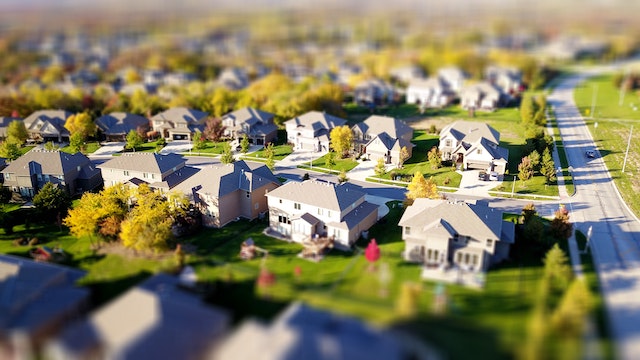

When purchasing real estate, the influence of location cannot be emphasized enough. A neighborhood’s quality, proximity to local amenities, and access to public transport greatly impact property value and quality of life. Desirable locations with low crime rates, high walkability scores, and top-rated schools command higher prices and enhance resale value. Furthermore, being near amenities, public transport, and quality education nurtures lifestyle benefits and long-term investment potential. By carefully assessing these factors, homebuyers can unleash the full potential of their real estate investment and enjoy the many advantages that a prime location has to offer, including those that extend beyond the obvious. Moving to Las Vegas, for example, offers homebuyers the opportunity to invest in a dynamic real estate market with diverse neighborhoods and growing infrastructure. The city’s proximity to world-class entertainment, dining, and outdoor recreation enhances both lifestyle benefits and property value. By considering factors like walkability, school quality, and access to public transport, buyers can make informed decisions that maximize their investment potential.
Assessing Neighborhood Quality
When evaluating real estate investments, an important factor to take into account is the quality of the neighborhood. A desirable neighborhood can greatly improve the value and desirability of a property. To assess neighborhood quality, it's vital to examine crime rates in the area. High crime rates can negatively impact property values and deter potential buyers. Conversely, low crime rates can contribute to a sense of safety and security, increasing a property's appeal.
Another key aspect to consider is the walkability score of the neighborhood. A high walkability score indicates that residents can easily access local amenities, public transportation, and other necessary services on foot. This can not only enhance the quality of life for residents but also increase property values.
In comparison, neighborhoods with low walkability scores may be less appealing, especially to buyers who value convenience and a more urban lifestyle. By carefully evaluating crime rates and walkability scores, investors can make informed decisions about the potential of a neighborhood. This information can help them identify areas with strong growth potential and make more strategic investment choices.
Proximity to Local Amenities
The nearness of a property to local amenities is a key factor in assessing its desirability and potential for growth. A high walkability score is a significant advantage, as it indicates that residents can easily access necessary services, entertainment, and employment opportunities on foot. This convenience factor is a major attraction for homebuyers seeking a stress-free lifestyle.
Retail proximity is another vital aspect to ponder. Being near shopping centers, grocery stores, and other necessary services can save time and effort, while also enhancing the overall quality of life.
Furthermore, a variety of dining choices nearby can boost the property's appeal, especially for food enthusiasts and those who value convenience.
When assessing a property's nearness to local amenities, it's crucial to contemplate the overall convenience and lifestyle benefits it offers. A well-situated property can provide a significant competitive advantage, making it an appealing option for homebuyers and investors alike. By prioritizing proximity to local amenities, buyers can access a more desirable, convenient, and influential lifestyle.
Impact on Resale Value
When considering the impact of location on resale value, it is important to evaluate the desirability of the area and its potential for long-term growth. The proximity of a property to amenities such as schools, public transportation, and shopping centers can greatly influence its resale value. Neighborhood trends, including the quality of surrounding properties and local development projects, also play a vital role in determining a property's resale potential.
Area Desirability Affects Value
Area attractiveness plays a notable role in determining the value of a property, ultimately impacting its resale value. A desirable location can significantly boost a property's value, while an undesirable location can lead to reduced demand and lower resale prices. One key aspect that influences area attractiveness is crime rates. Neighborhoods with high crime rates are generally viewed as less appealing, resulting in lower property values. Conversely, areas with low crime rates tend to attract more buyers, increasing demand and driving up prices.
Another factor that contributes to area attractiveness is walkability rating. Locations with high walkability ratings, featuring pedestrian-friendly infrastructure and access to local amenities, are often in high demand. These locations tend to command a premium price due to the convenience and quality of life they offer.
On the other hand, areas with low walkability ratings may struggle to attract buyers, leading to lower property values. When assessing a potential investment property, it is crucial to take these factors into account to consider you are making a well-informed decision that will yield a strong resale value. By giving priority to area attractiveness, you can maximize your returns and build long-term wealth.
Proximity to Amenities Matters
Closeness to amenities significantly impacts a property's resale value, as buyers often prioritize convenience and accessibility. A strategic location near shopping centers, recreational facilities, and dining options can greatly boost a property's appeal and desirability. This closeness not just saves time but also improves the quality of life for its residents.
Properties with high walkability scores, indicating easy access to amenities on foot, tend to command higher prices and sell faster. The presence of nearby amenities also nurtures a sense of community, making a neighborhood more appealing to potential buyers.
Moreover, being near public transportation hubs, schools, and healthcare facilities can be a major selling point.
When assessing a property's resale value, consider the proximity to amenities as a key factor. A well-located property with easy access to amenities can appreciate in value over time, making it a wise investment for buyers seeking long-term gains. By prioritizing closeness to amenities, buyers can unlock a property's full potential and enjoy the benefits of a sought-after location.
Neighborhood Trends Impact Sales
Neighborhood Trends Impact Sales
Several factors contribute to a neighborhood's appeal, but one key aspect stands out as an influential factor of sales and resale value: neighborhood trends. Current market trends and buyer preferences play a vital role in determining the desirability of a neighborhood, ultimately affecting its resale value.
Areas with a strong community ambiance, lively nightlife, and fashionable eateries tend to attract buyers willing to pay a premium for a desirable lifestyle.
However, it's crucial to look beyond the present and consider the neighborhood's future development. Upcoming infrastructure projects, new businesses, and community initiatives can greatly affect the area's appeal and resale value.
Savvy buyers should research local government plans and development proposals to anticipate potential growth and investment opportunities. By grasping neighborhood trends and their potential impact on resale value, buyers can make informed decisions that align with their goals and aspirations.
This forward-thinking approach enables them to utilize the potential of location and optimize their real estate investment. By doing so, they can stay ahead of the market and achieve their desired returns.
Access to Public Transport
Access to public transport is an essential consideration when evaluating a location for real estate investment. Proximity to train stations and bus route availability can greatly impact the convenience, livability, and overall desirability of a property. For many homebuyers, being within walking distance to public transport options is a key factor in their purchasing decision.
Proximity to Train Stations
About 70% of homebuyers consider public transportation options when assessing a potential property. Closeness to train stations is a pivotal factor in this evaluation, as it greatly impacts commute convenience. Residing near a train station can save time and money on daily commutes, enhancing productivity and overall quality of life.
Train stations frequently act as a central hub, linking residents to various transportation options, such as buses and bike-share systems. This extensive network allows individuals to easily navigate the city, making it an appealing feature for homebuyers.
Additionally, proximity to train stations can also enhance property values, as it boosts the property's desirability and appeal to potential buyers.
When assessing a property's proximity to train stations, consider the distance, frequency of trains, and available routes. A brief stroll to the station or a dependable shuttle service can make a notable difference in commute convenience.
Additionally, properties near train stations often benefit from increased foot traffic, local amenities, and a more lively community. By prioritizing closeness to train stations, homebuyers can realize the full potential of their property and enjoy a more convenient, connected, and empowered lifestyle.
Bus Route Availability
Beyond proximity to train stations, the availability of bus routes is an important factor in evaluating a property's connectivity to public transportation. Bus route accessibility plays a vital role in neighborhood development, as it provides residents with convenient access to various amenities, services, and employment opportunities. A well-connected bus network can greatly improve the quality of life for residents, making it an attractive feature for homebuyers.
| Bus Route Frequency | Travel Time | Route Coverage |
|---|---|---|
| 15-30 minutes | 30-60 minutes | Local amenities, schools, and shopping centers |
| 30-60 minutes | 1-2 hours | Regional hubs, employment centers, and public services |
| Peak-hour express | 2-3 hours | Downtown areas, major transportation hubs, and entertainment districts |
A thorough bus network can drive community growth by connecting residents to key destinations, promoting economic development, and encouraging social interaction. When evaluating a property, consider the bus route availability and its impact on your lifestyle and investment potential. A well-planned public transportation system, including bus routes, can significantly improve the value and appeal of a property, making it a sought-after choice for buyers seeking a influential location.
School Districts and Education
A key consideration for many homebuyers, particularly families with children, is the quality of local school districts. Academic achievement and school ratings play a pivotal role in determining a school district's effectiveness. Researching school districts before making a real estate purchase can greatly impact the future of the children residing in the household.
Top-rated schools often have a direct correlation with increased property values and higher demand for housing. Homebuyers who prioritize education will benefit from examining school ratings, which can be found through various online platforms. These ratings provide an overview of the school's academic performance, student-teacher ratio, and overall educational environment.
By analyzing school ratings, homebuyers can make an informed decision about the quality of education available in the area.
Investing in a property within a reputable school district can lead to long-term benefits, including access to quality education, increased property value, and a desirable living environment. By prioritizing school districts and education, homebuyers can utilize the potential of location to secure a brighter future for themselves and their families.
Safety and Community Dynamics
Homebuyers looking for a secure and desirable living environment must assess the safety and community dynamics of a potential neighborhood. A neighborhood with low crime rates is a crucial factor in determining the quality of life and long-term value of a property. Researching local crime statistics and speaking with local authorities can provide valuable insights into the area's safety.
Apart from crime rates, the community dynamics of a neighborhood play a significant role in shaping the living experience. Homebuyers seeking a sense of community and connection with their neighbors should look for areas with a strong sense of social interaction. This can be measured by observing community events, local parks, and neighborhood gatherings.
A neighborhood with a strong sense of community can nurture a sense of belonging and pride among residents, ultimately contributing to a more appealing living environment. By assessing both safety and community dynamics, homebuyers can make an informed decision that aligns with their priorities and goals. Effective due diligence in this area can yield benefits in the long run.
Frequently Asked Questions
How Does Climate Affect Property Value and Quality of Life?
Climate greatly influences property value and quality of life. Weather patterns, like hurricanes or droughts, can affect property values because of higher maintenance costs and potential damage.
Terrain features, such as proximity to coastlines or flood zones, also play a vital role.
Moreover, environmental regulations and pollution levels in an area can impact residents' health and overall well-being, making them important considerations when assessing a property's attractiveness and value.
What Is the Role of Zoning Laws in Property Investment?
The ancient Roman concept of "publicani" – private individuals controlling public assets – still resonates in modern property investment. Zoning regulations play a pivotal role in shaping property development, as they dictate land use, density, and building codes. Savvy investors must navigate these regulations to maximize returns, as compliant projects can yield higher values and rental income.
Can Nearby Industrial Sites Impact Residential Property Values?
The presence of nearby industrial sites can greatly impact residential property values. Noise pollution from industrial activities can decrease property appeal and livability. Additionally, concerns about air quality can deter potential buyers, especially those with health sensitivities.
As a result, property values may decline, and investors may face challenges in attracting tenants or selling the property, making it crucial to carefully evaluate the proximity of industrial sites when making investment decisions.
How Do Local Government Policies Influence Property Prices?
The underlying dynamics of a local government's policies can have a profound impact on the real estate market. As the veil of uncertainty lifts, it becomes apparent that property tax rates and incentives can greatly sway property prices. Development regulations, in particular, can either stifle or stimulate growth, resulting in a ripple effect on the market.
Those who grasp the nuances of these policies hold the authority to make informed, lucrative decisions.
Are Historic Districts Beneficial or Restrictive for Homeowners?
Historic districts present a delicate balance between preservation and development. For some homeowners, the charm and character of these areas are invaluable assets. Yet, others may find the accompanying property restrictions stifling, limiting their ability to renovate or expand their properties.
Whilst preservation efforts can increase property values, overly restrictive regulations can hinder homeowners' autonomy, sparking debate about the true benefits of historic district designations and their impact on homeowners' authority and property rights.
Conclusion
Research has consistently demonstrated that location is an important factor when buying real estate. Studies show that proximity to quality schools can greatly impact property values. One notable statistic is that homes near highly-rated schools tend to appreciate by 10-20% more than comparable properties in lower-rated school districts. This highlights the long-term financial benefits of considering location when making real estate purchasing decisions.