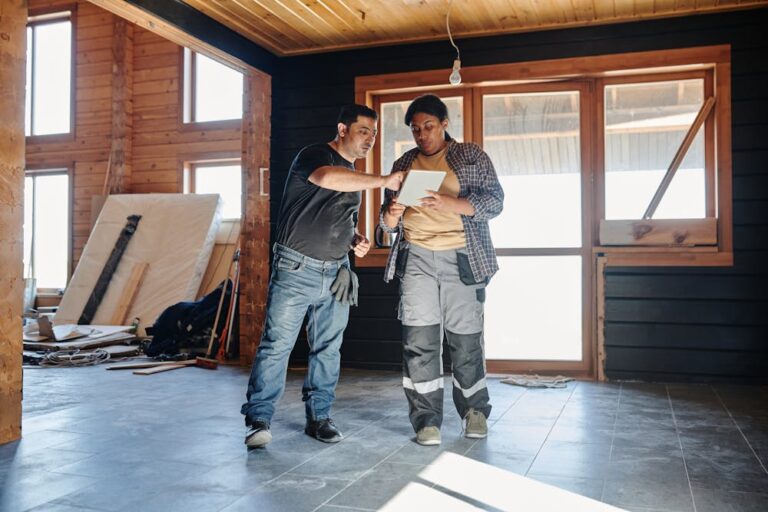

To start your DIY expedition, you need a few crucial tools. A hammer, screwdrivers (flathead and Phillips), pliers, and a measuring tape should be your basics. A cordless drill and a strength saw will speed up your projects. Don’t forget safety gear like goggles and ear protection! As you grow your skills, consider adding specialty tools. Organizing your workspace and maintaining your tools will likewise make the process smoother. Discover more tips to set yourself up for success!
Article Highlights
- A basic toolkit should include a hammer, screwdrivers, pliers, measuring tape, and a utility knife for essential DIY tasks.
- Invest in a cordless drill for efficient drilling and screw driving, and a power saw for versatile cutting needs.
- Focus on quality over quantity when building your tool collection, starting with essential tools for initial projects.
- Prioritize safety gear like safety glasses, gloves, and ear protection to create a safe DIY working environment.
- Utilize community resources, online tutorials, and project blogs for inspiration and guidance as you begin your DIY journey.
What Tools Do You Need to Start DIY Projects?
When you’re immersing yourself in DIY projects, having the right tools can make all the difference. You might feel overwhelmed, but starting with a basic toolkit can set you up for success. Think of fundamentals like a hammer, screwdrivers, measuring tape, and pliers—these tools will quickly become your trusty companions. As you engage in project planning, consider what you want to create. This will guide your toolkit choices, ensuring you’re prepared for each task. Joining a community of fellow DIY enthusiasts can likewise help you discover which tools others find crucial. Remember, it’s not just about the tools; it’s about creating a space where you belong, learn, and grow as you tackle exciting projects together.
Essential Hand Tools Every Beginner Should Have
Having the right hand tools can improve your DIY experience, making tasks smoother and more enjoyable. For any beginner, investing in a solid basic toolkit is crucial. Start with a trusty hammer and a set of screwdrivers, including both flathead and Phillips. A pair of pliers and a tape measure will help you tackle various beginner projects with ease. Don’t forget a utility knife for precise cuts and a level to verify everything is straight. As you grow in your DIY expedition, these fundamental tools will become your reliable companions. With these basics, you’ll feel more confident and connected to the DIY community, ready to take on new challenges and share your successes with others.
Must-Have DIY Power Tools for Beginners
Energy tools can transform your DIY projects from tedious to exhilarating, making tasks quicker and more efficient. As a beginner, investing in a few crucial energy tools is key to releasing your potential. You’ll feel empowered during projects with these must-haves!
| Tool | Purpose |
|---|---|
| Cordless Drill | Perfect for drilling holes and driving screws with ease. |
| Power Saw | Ideal for cutting wood, making it versatile for various projects. |
With cordless drills, you can tackle any assembly quickly, whereas power saws help you bring your creative visions to life. These tools not just improve your skills but also connect you with a community of DIY enthusiasts. Embrace the adventure, and don’t hesitate to explore!
Essential Safety Gear for DIY Projects
When you’re tackling DIY projects, safety gear is a must. You need to protect your eyes and ears from potential hazards, so don’t skip on quality eye and hearing protection. Let’s explore why these necessities are vital for your safety.
Eye Protection Essentials
As you immerse yourself in DIY projects, one of the most crucial aspects to contemplate is eye protection. You might think you won’t need it, but flying debris or splashes can happen unexpectedly. Safety glasses are a must-have for basic tasks; they shield your eyes from dust and small particles. For more intense projects, like cutting or grinding, protective goggles offer a snug fit and extra coverage, protecting against larger hazards. It’s all about choosing the right gear for your specific task. Remember, investing in quality eye protection not just keeps you safe but likewise allows you to focus on your work with confidence. Join the community of DIY enthusiasts who prioritize safety, and you’ll find yourself thriving in your projects!
Hearing Protection Importance
Amidst the hustle and bustle of DIY projects, hearing protection often gets overlooked, yet it’s just as crucial as eye safety. You might not think about it, but prolonged exposure to loud tools can lead to serious hearing damage. Prioritizing hearing safety isn’t just smart; it’s a way to guarantee you can enjoy your projects for years to come. Investing in quality earplugs or earmuffs will help achieve significant noise reduction, making your work environment safer and more comfortable. Plus, when you’re part of a community that values safety, you’ll feel a sense of belonging. So, don’t skip on hearing protection—your ears will thank you, and you’ll be able to fully embrace your DIY adventure!
Organizing Your DIY Workspace for Efficiency
Keeping your DIY workspace organized can make a huge difference in your projects. Regularly decluttering and using effective storage solutions will help you find tools quickly and work more efficiently. Let’s look at some simple strategies to get your space in order.
Declutter Your Workspace Regularly
While a well-organized workspace can boost your productivity, clutter often creeps in and hinders your creativity. To truly embrace your DIY expedition, you need to regularly declutter your workspace. Here are some effective decluttering techniques you can use:
| Technique | Description |
|---|---|
| Sort & Categorize | Group similar tools and materials. |
| Daily Cleanup | Spend 5-10 minutes tidying up daily. |
| Use a Checklist | Create a weekly decluttering list. |
| Limit Surplus Items | Keep only what you truly need. |
Use Storage Solutions Effectively
To maximize your DIY workspace’s efficiency, it’s essential to implement effective storage solutions that suit your needs. A well-organized space not only boosts productivity but also promotes a sense of belonging within your creative expedition. Here are some tips to improve your workspace:
- Utilize vertical space: Install shelves for better shelf organization.
- Incorporate clear bins: Use transparent containers for easy visibility of supplies.
- Implement tool labeling: Clearly label all tools for quick access and to keep your area tidy.
- Create a designated workspace: Dedicate specific zones for different projects to minimize clutter.
Choosing Affordable Quality Tools
When you’re starting out in DIY projects, finding affordable quality tools is essential for both your budget and your success. You want tools that won’t break the bank but still deliver great performance. Start with budget tool shopping by exploring local hardware stores and online retailers. Look for sales or promotions to snag your favorites. Quality tool brands often offer reliable options without the hefty price tag. Remember, investing in a few key tools from reputable brands can set you up for a successful DIY experience. Don’t hesitate to ask for recommendations from fellow DIY enthusiasts—they’re often happy to share their go-to tools. Building your toolkit doesn’t have to be overwhelming; take it step by step, and you’ll feel right at home.
How to Maintain Your Tools for Longevity
To keep your tools in great shape, you’ll want to establish a routine for cleaning and storage. Regular inspections can help catch any issues before they become big problems. By following these simple practices, you can guarantee your tools last for years to come.
Regular Cleaning Practices
Although maintaining your tools might seem tedious, regular cleaning is essential for guaranteeing their longevity and performance. By sticking to a cleaning schedule, you can improve your workspace hygiene and keep your tools in top shape. Here are some quick tips to help you out:
- Wipe down surfaces after each use to remove dirt and grime.
- Oil moving parts regularly to prevent rust and guarantee smooth operation.
- Inspect your tools for any damage, addressing issues immediately.
- Store tools in a clean, dry area to avoid contamination.
Proper Storage Techniques
After keeping your tools clean, proper storage plays a significant role in maintaining their longevity. Good shelf organization and tool bins can help you feel connected to your craft, making your workspace inviting and efficient. Here are some practical storage tips:
| Storage Type | Recommendation |
|---|---|
| Tool Bins | Use labeled bins for small items like screws and nails. |
| Wall-mounted Racks | Hang frequently used tools for easy access. |
| Shelves | Keep larger tools organized on sturdy shelves. |
| Drawer Dividers | Sort tools by type in drawers for quick identification. |
| Pegboards | Create a visual display for your favorite tools. |
Routine Inspection Schedule
A regular inspection schedule is essential for keeping your tools in top shape and ensuring they last for years. By following a routine checklist, you can catch issues early and avoid costly replacements. Here’s a simple maintenance reminder to get you started:
- Check for rust or corrosion on metal tools.
- Inspect cords and batteries for wear and tear.
- Clean and lubricate moving parts regularly.
- Store tools properly to prevent damage.
Incorporating these steps into your routine not only improves your DIY experience but also encourages a sense of community among fellow enthusiasts. You’ll feel more connected and confident in your skills as you keep your tools ready for any project. Happy DIYing!
Essential Supplies for Common DIY Projects
When tackling common DIY projects, having the right supplies can make all the difference. To get started, consider gathering crucial materials like wood, paint, screws, and nails. These basics are the backbone of many projects, ensuring you can create whatever you envision. Project kits are likewise a great way to simplify your shopping list; they often include everything you’ll need for specific tasks, from building a birdhouse to crafting shelves. Don’t forget about safety gear too—gloves, goggles, and masks are important for protecting yourself. By equipping yourself with these supplies, you’ll feel more confident and connected to the DIY community, where everyone’s enthusiastic to share tips and celebrate your successes. Happy crafting!
Tips for Gradually Building Your Tool Collection
Having the right supplies is just the first step in your DIY adventure; building a solid tool collection is equally important. Start by prioritizing your tools based on the projects you love and your budget planning. Here are some tips to guide you:
- Identify crucial tools for your first few projects.
- Purchase quality over quantity; a few good tools will serve you better.
- Gradually add specialty tools as your skills grow.
- Keep an eye out for sales or second-hand options to stretch your budget.
Where to Find DIY Resources and Inspiration
Finding inspiration and resources for your DIY projects can feel overwhelming, but it doesn’t have to be. Start by exploring DIY websites and project blogs that resonate with your style. Social media platforms like Instagram and Pinterest are treasure troves for fresh ideas—just search for inspiration boards that catch your eye. Don’t overlook tutorial videos on YouTube; they break down complex tasks into manageable steps. Joining community forums can connect you with fellow DIY enthusiasts who share tips and support. Consider attending local workshops to learn hands-on skills as you meet like-minded people. Finally, flip through design magazines for the latest trends and innovative projects. These resources will help you feel confident and inspired on your DIY adventure!
Frequently Asked Questions
How Much Should I Budget for My First DIY Tool Set?
You should budget around $100 to $300 for your first DIY tool set, depending on your needs. Start with the basics like a hammer, screwdriver, and pliers, then gradually expand. For budgeting tips, consider checking for sales or buying sets instead of individual tools; it can save you money. Remember, investing in quality tools means they’ll last longer and help you feel more confident in your DIY projects. You’ve got this!
Can I Borrow Tools Instead of Buying Them?
Absolutely, you can borrow tools instead of buying them! Tool sharing has its advantages; it saves you money and lets you try out different tools before committing to a purchase. Plus, it’s a great way to connect with friends and neighbors who share your DIY interests. You’ll find that many people are enthusiastic to help, creating a sense of belonging in your community. So, don’t hesitate to ask around for what you need!
Where Can I Find Free DIY Project Ideas?
You can find free DIY project ideas through various online resources like Pinterest and DIY blogs, which are filled with creative inspiration. Don’t forget to check out community workshops at local libraries or craft stores; they often share project ideas and host events. Joining DIY groups on social media can likewise connect you with others who share your interests, making it easier to find ideas and feel a sense of belonging in the DIY community.
What Common Mistakes Should Beginners Avoid in DIY?
You should definitely avoid overestimating your abilities and jumping into projects that are too advanced for you. It’s easy to get excited, but starting small helps you build confidence. Additionally, never neglect safety—always wear protective gear and work in a safe environment. Remember, everyone makes mistakes, but learning from them is what counts. Take your time, and don’t hesitate to ask for help; we all want to support each other in this DIY adventure!
How Do I Choose the Right Tool for a Specific Project?
Choosing the right tool is like finding the perfect key for a lock—it releases your project’s potential! Start with project requirements analysis; understand what you need to accomplish. Next, consider tool selection tips: think about the materials, the precision required, and your own comfort level. Don’t hesitate to ask for advice from fellow DIYers; you’re part of a community. With the right tool, you’ll feel empowered to create something amazing!