
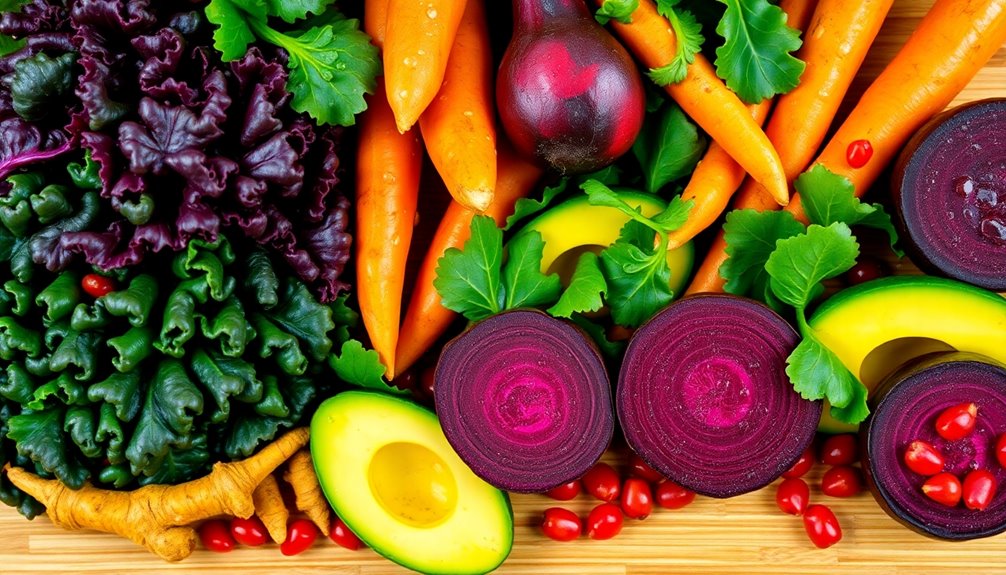
To reduce inflammation through food choices, individuals should prioritize nutrient-rich foods like leafy greens, fatty fish, berries, nuts, and whole grains. It’s vital to avoid sugars, trans fats, and processed foods that exacerbate inflammation. Emphasizing hydration, mindful eating, and stress management likewise plays a significant role in overall well-being. Incorporating herbal teas and cooking methods that preserve nutrients improves the anti-inflammatory effect of one’s diet. Additional dietary strategies can further support a healthier lifestyle.
Article Highlights
- Incorporate omega-3 fatty acids from fatty fish and nuts to help reduce inflammation and support overall health.
- Emphasize a diet rich in fruits, vegetables, and whole grains to promote nutrient density and gut health.
- Avoid sugar-rich foods and processed items, as they can trigger inflammatory responses in the body.
- Stay hydrated with water and herbal teas to aid in waste removal and reduce inflammation.
- Practice mindful eating to improve digestion, prevent overeating, and enhance your relationship with food.
Why Chronic Inflammation Affects Your Health
Chronic inflammation silently undermines health, contributing to a range of serious conditions such as heart disease and diabetes. This persistent state can disrupt the immune response, leading to chronic conditions and various inflammation symptoms, including fatigue and pain. Lifestyle factors play a critical role; poor dietary habits and inadequate stress management can exacerbate inflammation. For instance, imbalances in gut health may arise from food sensitivities, further elevating inflammation markers in the body. Achieving nutritional balance through mindful food choices can help mitigate these effects. Individuals are encouraged to prioritize whole foods, manage stress effectively, and consider the impact of their dietary choices on their overall well-being. Grasping these connections is crucial for maintaining health and preventing chronic inflammation.
How Your Diet Affects Inflammation
Diet plays a pivotal role in shaping inflammation levels within the body. The choices individuals make can greatly affect gut health and the overall immune response. Key factors influencing inflammation include:
- Nutrient Density: Foods rich in vitamins and minerals support the body’s defenses.
- Omega Fatty Acids: Incorporating sources like fish can help mitigate inflammatory processes.
- Fiber Intake: A higher fiber intake promotes microbiome balance, essential for reducing inflammation.
- Food Sensitivities: Identifying and avoiding trigger foods can lessen inflammatory reactions.
Moreover, focusing on a plant-based diet and antioxidants can further improve health. Meal timing is important; consuming balanced meals at regular intervals can stabilize blood sugar and help regulate inflammation.
Top Anti-Inflammatory Foods to Incorporate
Incorporating anti-inflammatory foods into daily meals can greatly improve overall health and well-being. Leafy greens, such as spinach and kale, provide vital vitamins and minerals. Fatty fish, rich in omega-3s, contribute to heart health and reduce inflammation. The berries benefits include high antioxidant content, which combats oxidative stress. A nuts variety, including walnuts and almonds, adds healthy fats and fiber. Whole grains, like quinoa and brown rice, support digestive health. Cruciferous vegetables, such as broccoli and cauliflower, offer significant phytochemicals. Turmeric benefits stem from curcumin, known for its anti-inflammatory properties. Avocados provide healthy monounsaturated fats, whereas dark chocolate, in moderation, can improve mood and health. Together, these foods create a robust anti-inflammatory diet.
Foods That Worsen Inflammation: Key Offenders to Avoid
Certain foods can exacerbate inflammation in the body, making it essential to identify and limit their consumption. Sugar-rich foods and trans fats are among the primary offenders, contributing to inflammatory processes. By comprehending these key culprits, individuals can make more informed dietary choices to promote overall health.
Sugar-Rich Foods
While many people enjoy sweet treats, they may not realize how sugar-rich foods can exacerbate inflammation in the body. Processed sugars and hidden sugars found in various foods often contribute to inflammation triggers. High glycemic index items can lead to increased sugar cravings, further perpetuating the cycle of consuming refined carbohydrates. To mitigate inflammation, individuals can consider alternatives such as:
- Natural sweeteners (e.g., honey, maple syrup)
- Sugar alternatives (e.g., stevia, erythritol)
- Whole fruits (providing fiber and nutrients)
- Oat-based snacks (lower in refined sugars)
Trans Fats and Oils
Many individuals are unaware that trans fats and certain oils can greatly heighten inflammation levels in the body, similar to the impact of sugar-rich foods. Trans fat sources, often found in processed and fried foods, margarine, and baked goods, can trigger inflammatory responses that contribute to chronic health issues. These fats are notorious for their ability to disrupt cellular function and promote inflammation. Conversely, incorporating healthy oils, such as olive oil and avocado oil, can help combat inflammation. These oils are rich in omega-3 fatty acids and antioxidants, which support overall health. By avoiding trans fats and favoring healthier oil options, individuals can make significant strides in reducing inflammation and enhancing their well-being.
Meal Planning for an Anti-Inflammatory Diet
How can one effectively plan meals to combat inflammation? Meal planning for an anti-inflammatory diet involves strategic choices that promote health and well-being. By integrating various elements, individuals can improve their meal prep efficiency and guarantee dietary restrictions are met. Here are four key strategies:
- Create a Grocery List: Focus on seasonal produce and whole foods to maximize flavor profiles and food variety.
- Incorporate Ingredient Swaps: Replace processed items with healthier alternatives to reduce inflammation.
- Control Portions: Use portion control to prevent overeating during a balanced diet.
- Explore Snack Options: Choose anti-inflammatory snacks, such as nuts or fruits, for nutritious between-meal fuel.
Employing these techniques can lead to a more healthful lifestyle and reduced inflammation.
Cooking Methods That Reduce Inflammation
Effective meal planning sets the foundation for an anti-inflammatory diet, but the cooking methods employed can greatly influence the health benefits of those meals. Steaming vegetables helps retain nutrients as it reduces inflammatory compounds. Baking fish promotes heart-healthy omega-3s, and grilling chicken can improve flavor without added fats. Sautéing greens in olive oil offers beneficial antioxidants, as roasting nuts preserves their healthy fats. Poaching eggs is a gentle cooking method that maintains protein quality, and slow cooking legumes improves digestibility. Braising meats can make them tender without excessive fats, as stir frying tofu quickly cooks it while preserving its nutrients. Moreover, fermenting foods introduces probiotics that support gut health, further aiding in inflammation reduction.
Why Spices and Herbs Help Fight Inflammation
Utilizing the strength of spices and herbs can greatly improve an anti-inflammatory diet. These natural ingredients not merely enhance flavor but additionally provide significant health benefits.
- Turmeric benefits: Contains curcumin, known for its potent anti-inflammatory properties.
- Ginger properties: Contains gingerol, which helps reduce inflammation and pain.
- Garlic effects: Offers compounds that may lower inflammation markers in the body.
- Cinnamon uses: Provides antioxidants that combat oxidative stress and inflammation.
Other beneficial herbs include cayenne, which can stimulate circulation, and rosemary and oregano, both known for their strong anti-inflammatory effects. Adding basil, black pepper, and cloves can further improve the anti-inflammatory potential of meals, promoting overall health.
Hydration’s Role in Reducing Inflammation
Hydration plays an essential role in managing inflammation within the body. Adequate water intake supports cellular functions and helps flush out toxins, whereas herbal teas can offer additional anti-inflammatory benefits. Together, these hydration strategies contribute to a holistic approach to reducing inflammation.
Importance Of Water Intake
How vital is water intake in the battle against inflammation? Adequate hydration plays a key role in reducing inflammation and promoting overall health. Comprehending the hydration benefits highlights the importance of maintaining a proper daily water intake.
- Flushes Toxins: Water helps remove waste products that can contribute to inflammation.
- Supports Circulation: Proper hydration improves blood flow, delivering nutrients to tissues and aiding recovery.
- Regulates Temperature: Staying hydrated helps the body maintain a stable temperature, reducing stress on the immune system.
- Lubricates Joints: Sufficient water intake keeps joints lubricated, minimizing discomfort and enhancing mobility.
Incorporating these practices into daily routines can greatly impact inflammation levels and promote better health.
Herbal Teas Benefits
Herbal teas offer a flavorful and beneficial way to improve hydration as well as contributing to inflammation reduction. These herbal infusions provide a range of calming properties, making them excellent caffeine alternatives for those seeking relaxation. Rich in antioxidants, herbal teas can help combat oxidative stress, further supporting immune health. Moreover, certain blends promote digestive health, easing discomfort and improving overall well-being. The flavor enhancement from various herbs not only makes hydration enjoyable but also encourages regular intake. Consuming herbal teas can aid in stress reduction, which is vital since stress is a known contributor to inflammation. Overall, incorporating these beneficial beverages into one’s diet can be a simple yet effective strategy for reducing inflammation and improving health.
Lifestyle Changes to Support Your Anti-Inflammatory Diet
Making intentional lifestyle changes can greatly improve the effectiveness of an anti-inflammatory diet. By integrating these practices, individuals can boost their well-being and support their dietary choices:
- Mindful Eating: Focus on the eating experience to promote better digestion and satisfaction.
- Portion Control: Be aware of serving sizes to avoid overeating, which can exacerbate inflammation.
- Stress Management: Implement techniques such as meditation or yoga to reduce stress levels, as stress can trigger inflammatory responses.
- Sleep Hygiene: Prioritize quality sleep to support recovery and overall health; lack of sleep can increase inflammation.
Incorporating physical activity, meal timing, food journaling, and focusing on nutrient density can further strengthen the benefits of an anti-inflammatory lifestyle.
Frequently Asked Questions
Can Supplements Help Reduce Inflammation Effectively?
Supplements can effectively reduce inflammation, with studies showing that nearly 60% of people report improvements when using them. Curcumin benefits from turmeric, known for its potent anti-inflammatory properties, and omega-3 sources like fish oil have demonstrated significant effects on inflammation reduction. Moreover, the antioxidant effects of certain supplements can improve gut health, further supporting the body’s inflammatory response. Comprehending these options may empower individuals to make informed choices for managing inflammation.
How Long Until I See Results From Dietary Changes?
Results from dietary changes can typically be observed within a few weeks, though individual experiences may vary. Incorporating strategies like meal timing and portion control can improve these effects. By consistently choosing anti-inflammatory foods and maintaining a balanced approach, one might notice improvements in energy levels and reduced discomfort. It is important to remain patient, as ongoing dietary adjustments often lead to more significant, long-term benefits over time.
Are There Specific Foods to Avoid for Arthritis?
To avoid arthritis triggers, one must expertly dodge inflammatory foods like sugary snacks and processed meats, which seem to have taken a masterclass in causing joint distress. Instead, one might consider a dietary balance rich in omega-3 sources, such as fatty fish and flaxseeds, as a cunning strategy. By embracing these choices, the battle against arthritis can be fought with a well-stocked pantry, turning the kitchen into a fortress of health.
Is Intermittent Fasting Beneficial for Inflammation?
Intermittent fasting can be advantageous for inflammation reduction. Research suggests that this dietary approach may lower inflammatory markers in the body, promoting overall health. By alternating periods of eating and fasting, it encourages cellular repair and may improve metabolic processes. Furthermore, intermittent fasting can lead to enhanced insulin sensitivity, which plays a role in inflammation. Consequently, individuals seeking to manage inflammation might find intermittent fasting a valuable strategy to contemplate.
How Can Stress Impact Inflammation Levels?
When it pertains to stress, it can certainly be said that it’s not all sunshine and rainbows. Stress management plays an essential role in modulating the inflammatory response. Chronic stress often leads to heightened inflammation, which can negatively impact emotional well-being. Lifestyle changes, such as mindfulness and physical activity, can help mitigate these effects. By addressing stress, individuals can promote both physical health and emotional resilience, ultimately diminishing inflammation levels.