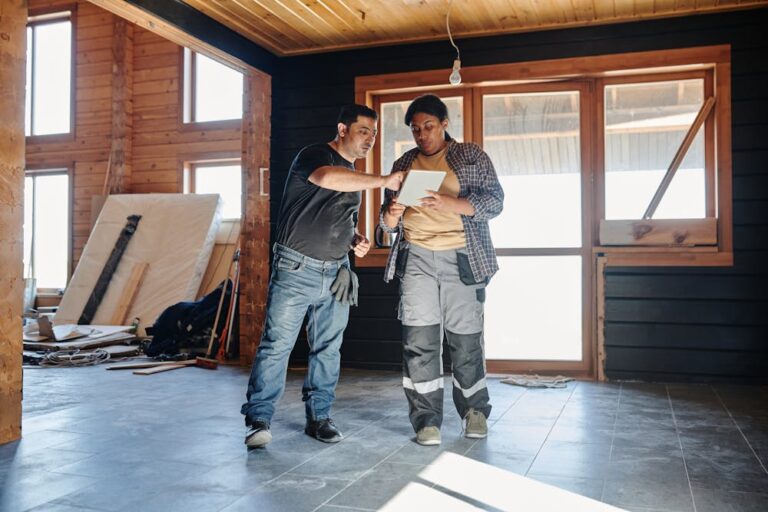

Installing floating shelves without hiring a pro is totally doable! Start by gathering your materials and measuring the wall space carefully. Use a stud finder to locate secure spots for brackets. Drill holes, install your brackets, and slide the shelves in place. To avoid issues, double-check your measurements and verify everything’s level. With some creativity, you can style your shelves to make your space shine. Stick around to uncover more tips and tricks for your project!
Article Highlights
- Gather necessary materials and tools before starting to ensure a smooth installation process.
- Use a stud finder to locate wall studs for secure support of the shelves.
- Measure and mark desired shelf locations carefully to maintain level and alignment.
- Install brackets securely according to instructions to avoid sagging or accidents.
- Regularly inspect and maintain shelves to ensure their safety and longevity.
Step-By-Step Guide to Installing Floating Shelves
Installing floating shelves can transform any room, providing both style and functionality. To get started, gather your shelf materials, such as wood or metal, and decide on the right thickness for strength. First, measure and mark where you want your shelves, ensuring they’re level. Next, use a stud finder to locate wall studs for secure installation. If studs aren’t available, opt for wall anchors suited for your shelf materials. Drill holes and install brackets or supports based on your chosen installation techniques. Once everything’s in place, carefully slide the shelves onto the brackets. Finally, step back and admire your work! You’ve created a stylish space that reflects your personality and brings a sense of belonging to your home.
Choosing the Best Spot for Your Shelves?
When you’re picking the best spot for your floating shelves, start by evaluating the wall space you have available. Think about how the shelves will fit into the room’s functionality and what you plan to display. This way, you’ll create a practical and visually appealing setup. Additionally, consider incorporating smart home technology features to enhance both the functionality and appeal of your shelving arrangement.
Assess Wall Space Availability
Where will you find the perfect spot for your floating shelves? Start by evaluating your wall measurements and identifying available surfaces. You want to guarantee your shelves not only fit but also improve your space. Look for areas that catch your eye—perhaps a bare wall that could use some personality or a corner that feels empty. Keep your desired style in mind; the right location can create a sense of belonging, making your space feel more inviting. Measure carefully to avoid any surprises during installation. Remember, the goal is to create a functional and aesthetically pleasing display, so take your time exploring the possibilities before making any commitments. Your home deserves that personal touch!
Consider Room Functionality
Even though you might be tempted to place your floating shelves anywhere that seems convenient, considering the room’s functionality is crucial. Think about how you’ll use the space and what items you’ll display. The right shelf height can improve both aesthetics and accessibility.
| Room Purpose | Ideal Shelf Height | Suggested Items |
|---|---|---|
| Living Room | 54-60 inches | Books, decor pieces |
| Kitchen | 18-24 inches | Cookbooks, spices |
| Bedroom | 48-54 inches | Personal items, photos |
Style and Organize Your Floating Shelves for Maximum Impact
Floating shelves can transform any space, and styling them effectively can make a significant impact. To create a cozy atmosphere that resonates with your personal style, think about your shelf decor. Start by selecting a color palette that complements your room—this can unify the look and feel of your space. Mix and match items like books, plants, and decorative objects, ensuring you balance different shapes and sizes for visual interest. Don’t forget to incorporate personal touches, like family photos or souvenirs, to promote a sense of belonging. By organizing your shelves with intention, you not only improve the aesthetics but likewise create a warm, inviting environment that reflects who you are. Embrace these tips to make your floating shelves shine!
Key Mistakes to Avoid When Installing Floating Shelves
With regard to installing floating shelves, avoiding key mistakes can help guarantee your decor doesn’t just look great but is likewise functional. One of the most common installation errors is failing to locate wall studs. Without proper support, your shelves could sag or even fall. Furthermore, don’t overlook shelf alignment issues; misaligned shelves can ruin the aesthetic and make your space feel off-balance. Always double-check your measurements before drilling to verify everything’s straight. Finally, be mindful of the weight you place on the shelves. Too much can lead to disaster. By steering clear of these pitfalls, you’ll create a beautiful and welcoming environment that truly feels like home. Happy shelving!
Caring for Your Floating Shelves
Caring for your floating shelves is crucial to keeping them looking great and functioning well. Regular dusting practices can prevent buildup, whereas avoiding heavy items will help maintain their integrity. Don’t forget to inspect the wall mounts periodically for any signs of wear or loosening.
Regular Dusting Practices
Regularly dusting your floating shelves is essential for maintaining their appearance and protecting your decor. Dust accumulation can dull the beauty of your shelves and detract from the items you’ve carefully selected to display. To keep your space feeling welcoming, make it a habit to dust at least once a week. Use a microfiber cloth or a duster to gently wipe away dirt without scratching the surfaces. For shelf maintenance, consider using a gentle cleaner occasionally to keep the finish looking fresh. Remember, a well-maintained shelf not just highlights your decor but also creates a cozy atmosphere in your home. By investing a little time in dusting, you’ll guarantee your shelves remain a proud focal point.
Avoid Heavy Items
Though it might be tempting to showcase your heaviest decor on floating shelves, doing so can compromise their integrity. Instead, focus on lighter items that allow for better weight distribution, ensuring your shelves remain both functional and stylish. Consider the shelf materials you’re working with; some are sturdier than others and can handle more weight. By opting for decorative pieces like framed photos, small plants, or books, you’ll create a warm and inviting atmosphere without risking damage. Remember, it’s not just about aesthetics; it’s about creating a safe space that reflects your personality. So, choose wisely and let your floating shelves shine with items that improve your home as you maintain their strength and appeal.
Inspect Wall Mounts
Maintaining the integrity of your floating shelves goes beyond selecting lighter decor; it furthermore involves inspecting wall mounts regularly. Check your mounting brackets for any signs of wear or looseness. Tightening them can considerably improve wall stability, ensuring your shelves remain safe and functional.
| Check Frequency | Action |
|---|---|
| Monthly | Inspect mounting brackets for tightness. |
| Quarterly | Check for wall damage around mounts. |
| Annually | Replace any worn brackets or anchors. |
Tools and Materials Needed for Installation
Before you plunge into installing floating shelves, it’s vital to gather the right tools and materials to guarantee a smooth process. Having everything at your fingertips not merely simplifies the task but additionally makes you feel more confident in your abilities. Here’s what you’ll need:
- Shelf brackets: These are fundamental for securely holding your shelves in place.
- Installation levels: A level guarantees your shelves are perfectly straight, adding a professional touch to your work.
- Drill and bits: A good drill helps you easily create holes in the wall for the brackets.
With these items ready, you’ll feel more connected to your project and proud of the beautiful space you’re about to create. Happy installing!
Why Floating Shelves Are a Smart Choice for Your Space
If you’re looking to maximize your space as you add a touch of style, floating shelves are an excellent choice. They not only provide practical storage but additionally improve your home’s design aesthetics. With their sleek, minimalist look, floating shelves create an open and inviting atmosphere, making your space feel larger and more cohesive. You can display cherished items, books, or plants, giving personality to your home as you optimize available space. Plus, you can arrange them at varying heights to create visual interest and a sense of belonging. Whether you’re in a cozy apartment or a spacious home, floating shelves offer the perfect blend of utility and elegance, making them a smart choice for any room.
Frequently Asked Questions
Can I Install Floating Shelves on Drywall Without Studs?
Yes, you can install floating shelves on drywall without studs, but it’s crucial to use drywall anchors for proper support. Did you know that over 60% of homeowners prefer DIY projects for their homes? For ideal shelf placement, make sure to evenly distribute weight and choose anchors rated for the load you expect. This way, you’ll create a beautiful space that feels uniquely yours, making your home more inviting for friends and family.
What Weight Can Floating Shelves Typically Hold?
Floating shelves typically hold between 15 to 50 pounds, depending on the load capacity of the brackets and shelf materials you choose. For instance, sturdy wood or metal shelves can support heavier items, whereas lighter materials like MDF might have lower limits. When selecting your shelves, consider what you want to display and guarantee you’re picking the right combination for both aesthetics and functionality, making your space feel warm and inviting.
How Do I Find Wall Studs for Installation?
To find wall studs for your installation, it’s often said that about 70% of homes have studs spaced every 16 inches apart. You can use stud finders, which are handy devices that detect wood or metal behind the drywall. Just run it along the wall, and you’ll feel a beep when you hit a stud. Finding stud locations is essential for securing your floating shelves and ensuring they’re sturdy and reliable, just like your space!
Are There Specific Floating Shelf Brackets I Should Use?
Absolutely, you should consider using sturdy metal brackets for your floating shelves. They provide excellent support, especially if you’re working with heavier shelf materials like wood or composite. Look for brackets that can hold the weight you plan to place on your shelves. Choosing the right brackets not just guarantees safety but additionally improves the overall aesthetic of your space, making it feel more inviting and well put together. You’ve got this!
Can I Remove Floating Shelves Without Damaging the Wall?
Yes, you can remove floating shelves without damaging the wall. Start by using shelf removal techniques like gently prying off the brackets with a putty knife. After that, if you see any holes, apply wall repair tips like spackling compound to fill them in smoothly. Once it’s dry, sand it down lightly for a clean finish. You’ll feel accomplished, and your wall will look as good as new, ready for your next project!