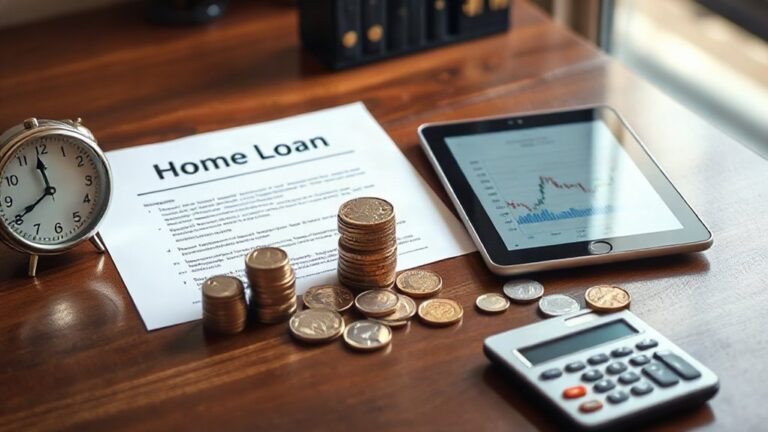
Before buying a home, a buyer should set a realistic budget based on total monthly costs, not just the mortgage. They should check credit early, fix report errors, and pay down debt to improve approval odds and lower strain. It also helps to save beyond the down payment for closing costs, moving, repairs, and emergencies. In the final stretch, they shouldn’t open new credit or move money carelessly. A closer look makes each step clearer.
Article Highlights
- Check your credit report, improve your score, and pay down debt before applying to strengthen approval odds and loan terms.
- Set a realistic home budget using total monthly ownership costs, including taxes, insurance, utilities, HOA dues, and maintenance.
- Save beyond the down payment for closing costs, moving expenses, immediate repairs, and a solid emergency reserve.
- Get preapproved early, organize income and asset documents, and base your price limit on affordability, not the lender maximum.
- Avoid new debt, missed payments, or unexplained money transfers before closing, and review final loan and escrow figures carefully.
Figure Out How Much House You Can Afford
Before touring listings or falling for a dream kitchen, buyers should determine how much house they can truly afford. That starts with mortgage readiness: reviewing income stability, monthly obligations, and debt to income so a lender’s standards don’t come as a surprise. Buyers should likewise check cash reserves, since savings affect how confidently they can handle upfront costs and unexpected expenses after closing.
It also helps to understand the preapproval timeline and gather documents early, because delays can weaken an offer. Using realistic interest rate estimates gives a clearer picture of borrowing capacity. When buyers compare possible payments against current housing costs, they’re less likely to face payment shock later. A careful affordability review helps them shop with confidence, focus their search, and avoid homes that strain their finances. Additionally, it’s crucial to factor in additional costs such as property taxes and maintenance when determining affordability.
Set a Home Buying Budget You Can Keep
A buyer should start by calculating the true monthly cost of homeownership, including mortgage payments, taxes, insurance, utilities, and upkeep. From there, they should set a firm price limit that fits their income and other financial goals, so they won’t overextend themselves. They should leave room for emergencies, since a workable budget doesn’t just cover the purchase—it helps protect their future. Additionally, understanding effective resource allocation can ensure that buyers make informed financial decisions that align with their long-term goals.
Calculate True Monthly Costs
Even though the mortgage payment gets most of the attention, a realistic home buying budget has to include the full monthly cost of ownership. A buyer should list every recurring expense tied to the home, not just the loan. That means adding property taxes, homeowner insurance, HOA dues, and a solid utilities estimate based on the home’s size, age, and location.
They should also include a maintenance reserve each month for repairs, routine upkeep, and replacement costs that don’t arrive on a neat schedule. Looking at the complete picture helps someone judge whether the home will fit comfortably into everyday life. When monthly costs are measured honestly, a buyer can plan with more confidence, avoid unpleasant surprises, and make a decision that supports both stability and peace of mind over time. Additionally, considering hidden costs like maintenance and repairs can further aid in creating a comprehensive budget.
Set A Firm Price Limit
During emotions can rise quickly during a home search, a buyer needs a firm price limit that’s based on what they can comfortably afford, not on the maximum a lender approves. That number should reflect the monthly housing total already calculated, plus a clear cap on the purchase price itself. By setting this limit early, they’re less likely to chase properties that strain their budget or weaken their options later.
A firm ceiling also supports smarter decisions during offers. It helps a buyer use negotiation tactics without getting pulled into bidding beyond their means. They should also define closing cost limits before making an offer, so fees don’t quietly push the total higher. When the budget is settled in advance, each home can be judged with greater confidence, discipline, and focus. Additionally, understanding cash flow management is crucial for balancing income and expenses throughout the home ownership journey.
Leave Room For Emergencies
Also, homeownership brings costs that don’t appear in the listing price; a buyer should leave emergency room in the budget from the start. A furnace can fail, a roof can leak, or moving expenses can rise quickly, and those surprises shouldn’t force new debt. That’s why emergency fund planning matters before closing, not after.
A practical budget also needs budget buffer creation for higher utility bills, routine maintenance, insurance changes, and temporary income disruptions. When a buyer plans for these possibilities, the monthly payment stays manageable even when life doesn’t go as expected. Lenders may approve a larger loan, but approval doesn’t guarantee comfort. A smart buyer protects long-term stability by keeping cash reserves, limiting fixed housing costs, and making sure the home still fits when unexpected expenses appear later on. Additionally, setting clear boundaries around financial commitments can help maintain a healthy budget even in unforeseen circumstances.
Check Your Credit Score Before Buying
Before buying a home, a buyer should check their credit score to see how lenders may view them. They should understand what’s on their credit report, take steps to improve their score, and correct any errors that could hurt their chances. A stronger, more accurate credit profile can help them qualify more easily and secure better loan terms.
Understand Your Credit Report
Why does a credit report matter so much when someone’s preparing to buy a home? It gives lenders a detailed picture of borrowing habits, account accuracy, and potential risk. Before applying, a buyer should read it carefully and make sure every section makes sense.
- Review report basics by confirming personal details, account listings, and balances. They should also detect missing accounts that could affect completeness.
- Identify negative items, understand payment history, and note public records so there aren’t surprises during mortgage review.
- Check credit utilization, evaluate credit inquiries, and compare credit age to understand how lenders may view current debt use, recent applications, and length of experience with credit.
A clear report helps a buyer approach the homebuying process with fewer questions and more confidence.
Improve Your Credit Score
Even if a buyer’s credit report looks accurate, checking the actual credit score before buying is just as important since it gives a quick snapshot of how lenders may price the loan. That number can influence interest rates, monthly payments, and overall affordability.
To improve the score, a buyer should focus on the habits that matter most. Payment history carries major weight, so timely payments are essential. Keeping Credit utilization low can help quickly too. It’s wise to reduce debt steadily and avoid new debt before applying for a mortgage. For someone with limited borrowing experience, small steps to build credit may strengthen the profile over time. A buyer should also monitor changes regularly and dispute inaccuracies promptly if score updates don’t reflect responsible behavior or progress.
Correct Credit Report Errors
Checking the score is only part of the picture, as errors on the credit report can drag that number down and make a buyer look riskier than they are. Before applying for a mortgage, they should review reports from all three bureaus and compare account details carefully.
- They should look for wrong balances, duplicate accounts, outdated late payments, or unfamiliar inquiries.
- If something’s incorrect, they can Dispute credit errors with the bureau and lender, using copies of statements or payment records.
- They should follow up until the report is updated, since lenders may use old data if mistakes remain unresolved.
Taking time to Fix inaccuracies can improve borrowing terms, reduce surprises during underwriting, and help a future homeowner present a stronger, more accurate financial profile overall.
Pay Down Debt Before You Apply
Before applying for a mortgage, buyers should focus on paying down existing debt, since lenders look closely at debt-to-income ratio when deciding how much they’re willing to lend. Lower monthly obligations can improve approval odds and may help them qualify for better loan terms.
A smart strategy is to reduce high interest credit card debt first, since it drains cash flow quickly. They should eliminate balances on smaller loans when possible, especially if doing so frees up monthly income. Some buyers try to boost debt to income results by avoiding new financing and making consistent payments for several months. It’s wise to pay off collections if lenders require it, as unresolved accounts can complicate underwriting. Steady progress shows responsibility and helps buyers present a stronger financial profile overall.
Save for More Than the Down Payment
Modified Text:
As the down payment gets most of the attention, buyers need cash for closing costs, moving expenses, immediate repairs, and a healthy emergency fund. Planning for these expenses helps them avoid stress and keeps homeownership from feeling overwhelming in the first few months. A smart savings strategy should cover more than the purchase price alone.
- They should save closing costs early, since lender fees, title charges, and prepaid taxes can add up quickly.
- They should build emergency fund savings for surprise repairs, job changes, or higher utility bills after moving in.
- They should budget for moving trucks, furniture, appliances, and small fixes the home may need right away.
When buyers prepare for these extra costs, they enter homeownership with more confidence, flexibility, and peace of mind overall.
Avoid Financial Mistakes Before Closing
Even after a buyer has saved well, the final weeks before closing can be notably risky if they make sudden financial changes. They too shouldn’t open new credit, miss payments, or move money without clear records. Lenders often recheck finances, so steady habits matter. They should Review closing documents carefully, Plan final budget costs, and Confirm escrow amounts before signing.
| Task | Why it matters | Timing |
|---|---|---|
| Verify title details | Prevents ownership issues | Before closing |
| Secure homeowners insurance | Satisfies lender requirements | Early |
| Avoid appraisal surprises | Supports loan approval | Before final review |
A careful buyer also compares loan figures with earlier estimates and asks questions when numbers shift. By staying organized and cautious, they protect the purchase and reduce last-minute stress notably overall.
Frequently Asked Questions
How Does Homeowners Insurance Vary by Neighborhood or Property Type?
Homeowners insurance varies widely by neighborhood and property type since insurers assess local risk and home-specific features. In higher-crime or disaster-prone areas, premiums often rise. Older homes or unique properties may cost more to insure owing to repair challenges. Factors affecting premiums include location, construction materials, and claims history. Coverage differences can appear for condos, single-family homes, or high-value properties, as each carries distinct risks and protection needs.
What Hidden Maintenance Costs Should First-Time Homebuyers Expect Annually?
A first-time buyer should expect annual hidden maintenance costs for routine upkeep, aging systems, and unexpected repairs. For example, if a homeowner skips HVAC service, a minor issue can become a costly breakdown. They’ll also need to budget for gutter cleaning, pest control, roof patching, appliance wear, plumbing leaks, and septic tank pumping where applicable. Many experts suggest setting aside 1% to 3% of the home’s value each year.
Should I Buy a Home if I Plan to Relocate Soon?
Probably not, if they plan to relocate soon. Short ownership periods often don’t give enough time to recover closing costs, moving expenses, and potential market dips. Relocation timing matters since selling quickly can create financial pressure or losses. They should weigh housing flexibility against the benefits of buying, especially if job or family plans aren’t settled. In many cases, renting offers more freedom, lower risk, and easier transitions during uncertain periods.
How Do Property Taxes Change After Purchasing a Home?
Yes, it can feel unfair, but a homeowner shouldn’t panic—property taxes often change after purchase since the home’s value may be updated through a property assessment. If the previous owner had a lower assessed value, the new bill could rise noticeably. Local rates, improvements, and neighborhood changes also matter. Some buyers can reduce costs through tax exemptions, which can ease the sting and bring reassuring savings over time.
What Professionals Should I Hire During the Homebuying Process?
They should hire a real estate attorney to review contracts, a mortgage broker to compare loan options, and a home inspector to uncover potential issues. A title company helps verify ownership and manage closing details, while an appraiser confirms the home’s value for the lender. An insurance agent can explain coverage options and costs. Together, these professionals help protect their interests, reduce surprises, and make the homebuying process smoother and more informed.