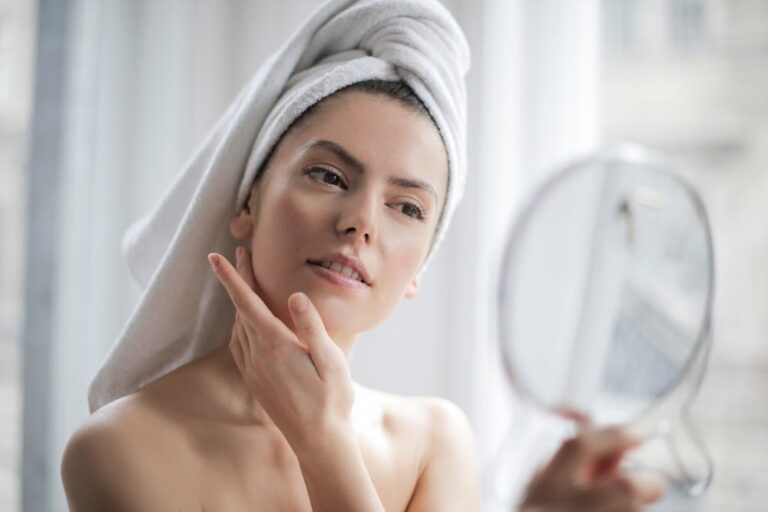

Hydration is crucial for maintaining healthy skin. It directly influences skin elasticity, texture, and overall appearance. Dehydrated skin often exhibits roughness, increased sensitivity, and visible fine lines. Inadequate moisture can compromise the skin barrier and lead to a dull complexion. Staying hydrated improves skin firmness and promotes a radiant look. Key habits, like drinking plenty of water and eating hydrating foods, can greatly improve skin health. Discover additional insights and tips on optimizing skin hydration.
Article Highlights
- Hydration enhances skin elasticity, promoting a youthful appearance and reducing fine lines and wrinkles.
- Dehydrated skin shows signs like dullness, increased sensitivity, and rough texture.
- Adequate hydration supports nutrient delivery, improving overall skin health and resilience.
- Staying hydrated helps maintain a balanced skin barrier, preventing irritation and dryness.
- Incorporating hydrating foods and adequate water intake is crucial for optimal skin hydration.
Why Hydration Matters for Your Skin
Hydration plays an important role in maintaining skin health, as it directly affects the skin’s elasticity and overall appearance. Adequate moisture retention is essential for preserving the skin’s firmness and preventing sagging. When skin is well-hydrated, it appears plumper and more lively, reflecting a youthful glow. Conversely, dehydration can lead to reduced skin elasticity, making it more susceptible to fine lines and wrinkles. This loss of moisture not just diminishes the skin’s barrier function but additionally impairs its ability to heal and regenerate. As a result, prioritizing hydration through both topical products and adequate water intake can greatly improve skin health, promoting a smoother texture and a more radiant complexion. Recognizing the importance of hydration is crucial for anyone seeking ideal skin vitality.
Signs of Dehydrated Skin to Watch For
Dehydrated skin often presents distinct signs that are crucial to recognize. A flaky and rough texture may indicate a lack of moisture, whereas a dull and tired appearance can further signal dehydration. Monitoring these symptoms is vital for maintaining healthy skin.
Flaky And Rough Texture
A noticeable sign of skin dehydration is often a flaky and rough texture, which can detract from an otherwise healthy appearance. Flaky skin and rough patches indicate an imbalance in moisture, leading to a compromised skin barrier. Environmental factors such as harsh weather and pollution can exacerbate this issue, whereas seasonal changes may require adjustments in an exfoliation routine and skincare layering. To restore ideal hydration, incorporating effective hydration products into daily routines is vital. Moreover, lifestyle impacts, such as diet and water intake, play a significant role in maintaining moisture balance. By addressing these elements, individuals can improve their skin’s texture and overall health, achieving a smoother, more radiant complexion.
Dull And Tired Appearance
Lifeless skin often appears dull and tired, serving as a telltale sign of insufficient moisture. This lack of hydration can greatly impact skin radiance, leading individuals to seek remedies that may be based on hydration myths. Recognizing the signs of dehydrated skin is crucial for restoring its vibrancy.
| Signs of Dehydrated Skin | Possible Solutions |
|---|---|
| Dull complexion | Increase water intake |
| Visible fine lines | Use hydrating serums |
| Uneven texture | Apply moisturizers regularly |
Addressing these signs can help revive the skin’s natural glow. Awareness and proper hydration practices are key to achieving healthy, radiant skin, steering clear of misconceptions about skin care.
How Dehydration Affects Your Skin
When the body lacks sufficient hydration, the skin often bears the brunt of this deficiency. The dehydration effects can manifest in various ways, greatly impacting overall skin health. Moisture loss leads to a range of visible symptoms that can detract from one’s appearance.
- Increased dryness: Skin becomes flaky and rough.
- Loss of elasticity: Dehydration can result in sagging skin.
- Dull complexion: Lack of moisture contributes to a tired, lifeless appearance.
- Enhanced sensitivity: Dehydrated skin may become more prone to irritation.
- Development of fine lines: Insufficient hydration accelerates the formation of wrinkles.
Understanding how dehydration affects the skin can motivate individuals to prioritize adequate fluid intake for healthier, more lively skin.
Top Benefits of Staying Hydrated for Skin Health
Staying hydrated offers numerous benefits for skin health, as adequate water intake plays a fundamental role in maintaining skin’s vitality and resilience. One of the primary hydration benefits includes improved skin elasticity, which helps to reduce the appearance of fine lines and wrinkles. Proper hydration guarantees that skin cells remain plump and youthful, enhancing overall texture. In addition, drinking sufficient water aids in flushing out toxins, leading to a clearer complexion and reducing the likelihood of breakouts. Hydration likewise supports the skin’s natural barrier, preventing dryness and irritation. Moreover, well-hydrated skin appears more radiant and balanced, contributing to a healthy glow. Overall, maintaining ideal hydration levels is critical for achieving and preserving healthy skin.
Effective Daily Habits for Internal Skin Hydration
Effective daily habits play an important role in maintaining internal skin hydration. Adhering to water intake guidelines and incorporating nutrient-rich foods into one’s diet can greatly improve skin health. These practices not only promote hydration but furthermore provide necessary nutrients that support overall skin vitality.
Water Intake Guidelines
Although many factors influence skin health, maintaining proper hydration through adequate water intake is vital. Grasping water intake guidelines can help individuals meet their daily requirements for optimal skin hydration.
To guarantee sufficient hydration, consider the following:
- Aim for at least 8 cups (64 ounces) of water daily.
- Include hydration sources like fruits and vegetables in your diet.
- Adjust water intake based on activity level and climate.
- Monitor urine color; pale yellow indicates proper hydration.
- Listen to your body; thirst is a sign to drink more.
Nutrient-Rich Foods
Nutrient-rich foods play a crucial role in maintaining internal hydration for healthy skin. Incorporating a variety of fruits and vegetables can greatly improve skin texture and moisture levels. Antioxidant-rich berries, such as blueberries and strawberries, combat oxidative stress, aiding in skin repair. Meanwhile, hydrating vegetables like cucumbers and lettuce provide vital water content, promoting overall hydration.
| Food Type | Benefits |
|---|---|
| Antioxidant Berries | Combat oxidative stress |
| Hydrating Vegetables | Increase skin moisture |
| Nuts | Provide healthy fats |
| Whole Grains | Support overall skin health |
Hydration Tips for Every Skin Type
Maintaining proper hydration is essential for skin health, as different skin types require customized approaches to achieve ideal moisture balance. Comprehending various aspects can improve hydration routines and support skin barriers effectively.
- Identify Moisturizer Types: Tailor choices based on skin types—oily, dry, or combination.
- Establish Hydration Frequency: Regular application helps maintain moisture levels throughout the day.
- Consider Seasonal Hydration: Adjust routines with changing climates to combat dryness or excess oil.
- Explore Hydration Supplements: Nutritional support can boost skin hydration from within.
- Debunk Hydration Myths: Educate oneself about common misconceptions to make informed choices.
Implementing these tips can greatly enhance skin hydration and overall health, ensuring a radiant complexion.
Debunking Myths: What You Really Need to Know About Skin Hydration
What are the most common myths surrounding skin hydration? Myth busting reveals that many believe drinking excessive water directly improves skin moisture. In reality, although hydration is crucial, skin moisture primarily depends on topical products and environmental factors. Another prevalent myth suggests that oily skin doesn’t require hydration, but all skin types benefit from moisture to maintain balance. Furthermore, some think that all creams are equally effective; nonetheless, ingredients matter greatly. For instance, hyaluronic acid can effectively draw moisture into the skin, whereas occlusives help retain it. Comprehending these myths clarifies that effective skin hydration combines both internal and external strategies, ensuring peak skin health and appearance.
Frequently Asked Questions
Can Certain Foods Improve Skin Hydration Levels?
Certain foods can certainly improve skin hydration levels. Envision a garden flourishing under a gentle rain; hydrating fruits like watermelon and cucumber provide crucial moisture, whereas skin-boosting fats from avocados and nuts nourish from within. These nutrient-rich options create a harmonious balance, promoting a dewy complexion. By incorporating these elements into one’s diet, individuals may witness a transformation, as their skin reflects the liveliness and health nourished by these hydrating choices.
How Does Climate Affect Skin Hydration Needs?
Climate notably influences skin hydration needs. In humid environments, moisture in the air can improve hydration levels, whereas dry climates may require increased water intake and moisturizing products. Temperature fluctuations, especially during seasonal changes, can likewise impact the skin’s moisture retention. Different climate zones, from arid deserts to tropical rainforests, necessitate varying skincare routines to maintain ideal hydration. Comprehending these factors allows individuals to adapt their skincare practices accordingly.
Is Drinking Water Alone Enough for Skin Health?
Drinking water alone is not enough for ideal skin health. Although hydration myths suggest otherwise, skin types and individual needs vary considerably. Quality of water plays an important role, as impurities can affect overall health. Furthermore, daily intake must include nutrients like vitamins and fatty acids, which contribute to skin health. Consequently, a holistic approach, combining proper hydration with a balanced diet, is fundamental for maintaining healthy skin.
Can Over-Hydration Harm My Skin?
Over-hydration can certainly harm the skin. When the hydration balance is disrupted, it may lead to a weakened skin barrier, making the skin more susceptible to irritation and infections. Excessive water intake can wash away vital oils, resulting in dryness and compromised skin health. Therefore, maintaining a proper hydration balance is critical for ideal skin function, ensuring the skin barrier remains intact and effective in protecting against environmental stressors.
What Role Do Supplements Play in Skin Hydration?
Supplements serve as nourishing raindrops in the desert of skin hydration. Collagen supplements bolster skin elasticity, as omega-3 fatty acids create a protective barrier, locking in moisture. Hyaluronic acid acts like a sponge, drawing water into the skin, whereas vitamin E provides a shield against oxidative stress. Together, these elements weave a fabric of hydration, enhancing skin’s appearance and resilience, making them crucial companions in the quest for healthy, supple skin.