
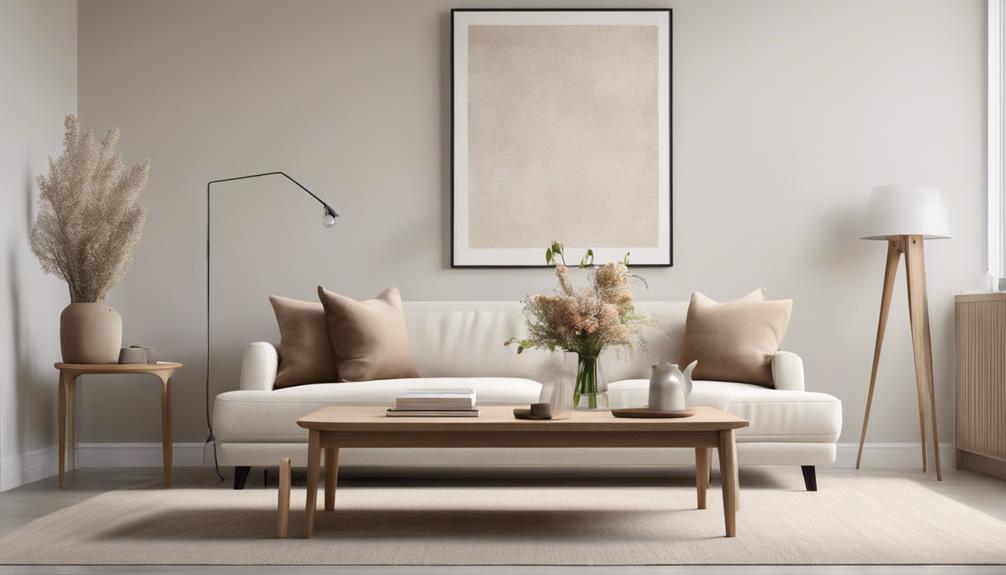
The magic of staging your home for a faster sale lies in creating an emotional connection with potential buyers, showcasing a property's best features, and highlighting its lifestyle potential. Effective staging strategies include decluttering and organizing spaces, neutralizing personal elements, and tailoring features to align with target audience preferences. A well-staged home not just creates a sense of flow and openness but makes a lasting impression on buyers, influencing their decision-making process. By honing the art of home staging, homeowners can enhance the appeal and perceived value of their property, setting the stage for a successful sale.
Benefits of Home Staging
When selling a home, effective presentation is key to attracting potential buyers and securing a sale. A well-staged home can greatly influence the buying decision, creating an emotional connection with potential buyers. Home staging is a strategic approach to showcasing a property's best features, highlighting its potential and lifestyle.
A staged home offers a visual appeal that allows buyers to envision themselves living in the space. By arranging furniture and decor in a way that accentuates the home's architecture and natural light, sellers can create a sense of warmth and invitation. This approach enables buyers to connect with the property on an emotional level, increasing the likelihood of a sale.
A staged home helps to neutralize any personal or cluttered elements, allowing buyers to focus on the property's features and potential. By investing in home staging, sellers can gain a competitive edge in the market, attracting more buyers and securing a faster sale. Effective staging can ultimately boost the sale price and reduce the time spent on the market.
Understanding Your Target Market
To effectively stage your home for a faster sale, it's essential to understand the demographics and age of potential buyers, along with their specific needs and priorities. Identifying buyer needs allows you to tailor your staging strategy to appeal to your target market, increasing the chances of a successful sale.
Demographics and Age
Demographics and Age
Knowing the population characteristics and age range of your target market is crucial in setting up your home for a quicker sale. This insight allows you to customize your marketing strategies to effectively reach potential buyers. Various age groups have distinct preferences regarding home features.
For example, baby boomers tend to prioritize single-story living, whereas millennials value smart home technology and energy efficiency. Recognizing these generational preferences is vital in presenting your home in a manner that resonates with your target audience.
While setting up your home, take into account the age groups you're focusing on. Adjust the features and amenities to align with their preferences.
For instance, if you're aiming at young families, showcase the home's play areas and family-friendly amenities. Conversely, if you're targeting retirees, highlight the home's accessibility and low-maintenance features. By catering to the specific requirements and inclinations of your target market, you can develop a more enticing and appealing home that sells faster.
Successful staging necessitates a thorough understanding of your target audience, and age groups play a significant role in this process.
Identify Buyer Needs
Identify Buyer Needs (Comprehending Your Target Market)
Grasping the needs and desires of potential buyers is the foundation of effective home staging. Understanding buyer psychology is vital to creating an inviting atmosphere that appeals to your target market. Through market research, you can identify the demographics, interests, and behaviors of potential buyers and tailor your staging strategy accordingly.
| Buyer Type | Needs and Desires | Staging Strategies |
|---|---|---|
| Family-Oriented | Space for children, safety features | Showcase play areas, highlight storage solutions |
| Young Professionals | Modern amenities, proximity to amenities | Emphasize smart home features, highlight nearby attractions |
| Retirees | Low maintenance, accessibility | Highlight single-story living, emphasize ease of navigation |
Local Market Trends
Market fluctuations and regional characteristics greatly influence the home buying process, making it crucial to stay informed about local market trends. Grasping the dynamics of your target market empowers you to make well-informed decisions, positioning your home for a quicker sale. An in-depth analysis of local market trends involves examining pricing strategies, competition analysis, seasonal influences, and economic indicators.
Pricing strategies must be in sync with the current market conditions to attract potential buyers. Conducting a competition analysis will help you pinpoint gaps in the market and set your home apart from similar properties.
Seasonal influences also play a significant role in the home buying process, with certain times of the year experiencing increased activity.
Economic indicators, such as interest rates and employment rates, can impact buyer confidence and purchasing strength.
Decluttering and Organizing
To showcase a home in its best light, it is crucial to address cluttered spaces and create an inviting atmosphere. Effective decluttering and organizing involves more than just clearing visible areas, as it requires attention to hidden spaces that potential buyers may inspect.
Clear Cluttered Spaces
In every room, clutter can silently hinder a home's potential for a quick sale. Cluttered spaces overwhelm potential buyers, making it challenging for them to envision themselves living in the home. To overcome this obstacle, homeowners must clear cluttered spaces, adopting a minimalist design that showcases the home's true potential. By doing so, they can create an atmosphere that exudes strength and sophistication.
Maximizing space is vital in this process. Start by removing any unnecessary items, including furniture, that are no longer needed or useful. Sort items into categories, deciding what can be donated, sold, or discarded. This process will help reveal the home's true layout and functionality.
Consider the 80/20 rule, where 80% of the time, you only use 20% of your belongings. Be decisive in your decision-making, and focus on keeping only the items that add value to the space.
Create a Flow
Harmony is pivotal in creating a space that resonates with potential buyers. Once clutter is minimized, the next step is to establish a flow that guides buyers through the home seamlessly. A well-planned arrangement is crucial to achieving this flow. Start by grouping furniture into conversational circles, allowing buyers to envision themselves socializing and relaxing in the space.
This flow arrangement should also take into account the natural traffic path through the home, ensuring that buyers can easily navigate from room to room.
Effective space organization is also vital to maintaining this flow. Avoid blocking doorways, hallways, and windows with furniture or other obstacles. Instead, place furniture in a way that creates a sense of openness and freedom. Consider the buyer's perspective and arrange furniture to showcase the home's best features.
Organize Hidden Areas
Organize Concealed Spaces
Beyond the main living areas, potential buyers often take notice of a home's hidden nooks, where clutter and disarray can quickly become apparent. Closets, garages, and storage areas are crucial components of a home's overall charm, and their organization can greatly impact the buyer's perception of the property.
Maximizing storage in these spaces is vital to showcasing the home's full potential. Closet organization, in particular, can be a significant selling point, as it highlights the home's capacity for efficient use of space. Utilize double rods, shelves, and storage bins to create a sense of order and functionality in closets.
In garages and storage areas, invest in shelving and cabinetry to keep items off the floor and out of view. This not only fosters a feeling of spaciousness but also demonstrates the home's ability to accommodate the buyer's possessions.
A well-organized home is not just more appealing but also more desirable, giving buyers confidence in their purchasing decision. By concentrating on these often-overlooked areas, sellers can greatly improve their home's appeal and boost its market value.
Neutralizing Personal Spaces
Neutralizing individual areas is essential for assisting potential buyers picture themselves residing in the residence. This procedure involves removing personal touches that establish an emotional bond with the area, making it difficult for others to envision themselves living there. It is vital to acknowledge that personal touches, like family photos, heirlooms, and collectibles, can discourage potential buyers from forming an emotional connection to the property.
When neutralizing personal areas, concentrate on creating a blank slate that enables buyers to imprint their own identity and style onto the area. Eliminate any items that disclose personal preferences, hobbies, or interests.
Guarantee that each room is devoid of clutter, and organize furniture in a manner that promotes a sense of flow and practicality. By neutralizing personal spaces, you can effectively display the home's potential and attract a wider range of buyers. This strategic approach will ultimately contribute to a quicker sale and a more favorable result.
Lighting for Ambiance
Effective lighting is vital for creating an inviting ambiance in your home, as it can greatly influence the overall atmosphere and perceived value. To achieve this, it's important to address areas that may appear dim or unwelcoming.
Consider the strategic use of multiple light sources to create a warm and welcoming environment. By employing a thoughtful lighting approach, you can greatly improve your home's appeal to potential buyers.
Brightening Dark Spaces
Every home has at least one area that struggles with insufficient lighting, which can instantly create a negative impression on potential buyers. To showcase your home's best features and create a welcoming atmosphere, brightening dark spaces is crucial.
Effective lighting can make a significant difference in the perceived value of your home. To achieve this, consider the following lighting options:
| Lighting Option | Description | Benefit |
|---|---|---|
| Natural Lighting | Use sheer curtains, blinds, or skylights to maximize natural light | Creates a sense of warmth and coziness |
| Artificial Lighting | Install recessed lighting, table lamps, or floor lamps to add brightness | Highlights architectural features and creates ambiance |
| LED Lighting | Energy-efficient LED bulbs provide bright, warm light | Saves energy and creates a modern look |
| Mirrors | Strategically place mirrors to reflect natural light | Amplifies natural light and creates the illusion of space |
| Dimmers | Install dimmers to adjust lighting levels | Provides flexibility and creates a relaxing atmosphere |
Layering Light Sources
A well-designed lighting plan incorporates multiple light sources to create a layered, dimensional effect that improves the ambiance of a room. This thoughtful approach to lighting enriches the visual appeal of a space, making it more inviting to potential buyers. Layering light sources involves combining overhead lighting, table lamps, and floor lamps to create a balanced and harmonious atmosphere.
To maximize the impact of layering light sources, consider incorporating a blend of light types and intensities. Pair overhead lighting with table lamps to create a sense of depth and visual interest. Mixing patterns and textures through lamp shades and sconces can also add depth and sophistication to a room.
For example, combining a smooth glass pendant light with a woven wicker table lamp can add a layer of complexity to the space.
Outside Evening Lighting
Outside Evening Lighting
Pathway lights and strategically placed lanterns can elevate the ambiance of your outdoor spaces in the evening, making your home more appealing to potential buyers. Properly lit walkways and patio areas can create a cozy and welcoming atmosphere, setting your home apart from others in the neighborhood. This is achieved through the strategic installation of outdoor lighting, which highlights the best features of your outdoor spaces.
Effective outside evening lighting can also be utilized to create a sense of intrigue and elegance. Consider the following techniques to enrich your patio ambiance:
- Use string lights or fairy lights to add a whimsical touch to your patio or deck
- Install spotlights to accentuate architectural features or beautiful plants
- Use table lamps or floor lamps to create pockets of warm light on your patio
- Consider installing smart lighting systems that can be programmed to turn on and off at specific times, adding an additional layer of convenience and security to your outdoor spaces
Color Schemes That Sell
Color Schemes That Sell
What role do color schemes play in staging a home for a faster sale. The answer lies in the strategic application of color psychology to create a visually appealing atmosphere that captivates potential buyers. A well-crafted color scheme can boost the perceived value of a property, influencing buyers' emotions and decision-making processes.
When selecting a color scheme, consider the visual impact it will have on potential buyers. Neutral tones such as beige, gray, and white can establish a sense of calmness and serenity, allowing buyers to envision themselves in the space.
Warm colors like earthy brown and taupe can evoke feelings of comfort and coziness, whereas cool colors like blue and green can convey a sense of tranquility.
To maximize the effectiveness of a color scheme, consider the natural lighting and architectural style of the property. A color scheme that complements these elements can enrich the overall aesthetic and create a lasting impression on potential buyers.
Furniture Arrangement Tips
By thoughtfully choosing a color scheme, homeowners can create an engaging atmosphere that attracts potential buyers. Nevertheless, a well-planned room layout and strategic furniture arrangement are vital to optimizing the potential of the space. Effective space utilization is crucial in making a room feel larger and more inviting.
A well-thought-out furniture arrangement can greatly improve the aesthetic appeal of a room and contribute to a quicker sale. Consider the following suggestions to optimize your room layout:
- Establish a focal point in the room, such as a breathtaking view or a fireplace, and arrange furniture to highlight it.
- Maintain balance in the room by incorporating a combination of large and small pieces of furniture for visual cohesion.
- Utilize furniture to delineate various areas within the room, like a cozy reading corner or a functional home office.
- Ensure there is ample space between furniture pieces to promote a sense of flow and enhance the room's spaciousness.
Creating Functional Spaces
Creating Functional Spaces
Effective use of space is a key consideration when staging a home for sale. A functional design can make a significant difference in attracting potential buyers and increasing the sale value of a property. Space utilization is pivotal in creating an illusion of a larger area, making the home more appealing to buyers.
| Room | Functional Design Element | Space Utilization Benefit |
|---|---|---|
| Living Room | Multifunctional furniture | Creates a sense of flow and reduces clutter |
| Kitchen | Island or cart | Provides additional counter space and storage |
| Bedroom | Built-in storage | Maximizes storage and keeps the room clutter-free |
Outdoor Space Makeovers
Well-designed outdoor areas can greatly enhance a home's attractiveness to potential buyers. A well-groomed lawn, a beautifully designed garden, or a welcoming patio space can all contribute to a buyer's desire to submit an offer. In reality, an outdoor space makeover can be just as crucial as updating a kitchen or renovating a bathroom. A thoughtfully designed outdoor sanctuary can transport buyers to a tranquil escape, making it more likely for them to picture themselves residing in the home.
Some key elements to ponder when giving your outdoor space a makeover include:
- *Adding atmosphere with outdoor lighting*: Strategically positioned lights can showcase the finest features of your outdoor area and establish a cozy and welcoming ambiance.
- *Incorporating water elements*: A small fountain or pond can introduce a calming sound and evoke a feeling of peace.
- *Incorporating plants and blossoms*: A garden hideaway filled with vibrant blooms and verdant foliage can be a significant selling point.
- *Creating a practical seating area*: A well-planned patio or deck can offer a cozy space for buyers to envision themselves unwinding and hosting gatherings.
Staging on a Budget
Most homeowners acknowledge the value of staging their home to attract potential buyers and secure a faster sale. Nonetheless, many assume that effective staging requires a substantial investment. Fortunately, it's possible to create an inviting and attractive space without breaking the bank through thrifty staging.
By adopting a DIY approach, you can breathe new life into your home’s decor without incurring significant expenses. Start by repurposing items you already own, such as vases, candles, and artwork. Rearrange your furniture to create a sense of flow and openness, making your home feel larger and more inviting. Incorporate fresh coats of paint or stylish wallpapers to add personality and charm to your space. Thrift stores and flea markets can be great sources for unique, budget-friendly decor that complements your vision. When renovating older homes wisely, focus on preserving original features like hardwood floors and crown molding while making thoughtful updates that enhance both functionality and aesthetic appeal.
To further enrich your space, consider thrift shopping or scouring online marketplaces for affordable decorative items. A fresh coat of paint or some strategically placed throw pillows can also make a significant impact.
Frequently Asked Questions
Can I Stage My Home Myself or Hire a Professional?
When deciding on home staging, homeowners must weigh the benefits of DIY vs professional staging. Although a DIY approach can be cost-effective, it may lack the expertise and objectivity of a professional stager. Hiring a professional can yield higher returns, as they possess knowledge of current market trends and design principles.
That being said, this option comes at a cost. Carefully consider your budget and goals before making a decision that impacts your home's saleability.
How Long Does the Home Staging Process Typically Take?
According to the National Association of Realtors, 95% of staged homes sell in 11 days or less.
The home staging process typically requires a significant time commitment. For DIY enthusiasts, it can take several weeks to a few months to transform their space. Hiring a professional, this can cut this timeframe in half.
With a professional, the average staging process takes 2-4 weeks, offering a cost-effective solution that yields a significant staging ROI.
What if My Home Has Unique or Quirky Architectural Features?
When working with properties that boast unique or quirky architectural features, viewing these elements as opportunities for differentiation is crucial.
Rather than attempting to conceal or downplay these characteristics, embracing them through clever design solutions can be a game-changer.
Do I Need to Stage Every Room in My Home?
Picture entering an impeccably designed mansion where every single room is a masterpiece, leaving no corner unturned. In this scenario, it's possible to achieve this ideal, but it's not always essential.
In terms of staging, prioritize high-impact areas such as the living room and master bedroom. Partial staging can yield equally impressive results, concentrating on rooms that hold the most significance for potential buyers. This cost-effective strategy enables you to allocate resources strategically, ultimately maximizing your return on investment.
Can I Recoup My Home Staging Costs at Closing?
Recouping costs associated with staging a home can be a critical consideration for sellers seeking to maximize their return on investment (ROI). During the process of recovering staging expenses at closing, the likelihood depends on various factors, including the staging options chosen, such as DIY or professional services, and the overall cost-effectiveness of the staging strategy.
A well-executed staging plan can lead to a higher sale price, offsetting initial costs.
Conclusion
The art of home staging is akin to a masterfully conducted symphony, where every element harmonizes to create a mesmerizing experience. A well-staged home orchestrates a buyer's emotions, evoking a sense of belonging. As the curtain falls on the selling process, a staged home often takes center stage, selling faster and for a higher price than its unstaged counterparts. Effective staging is the key to a swift and successful sale, making it an indispensable strategy in today's competitive real estate market.