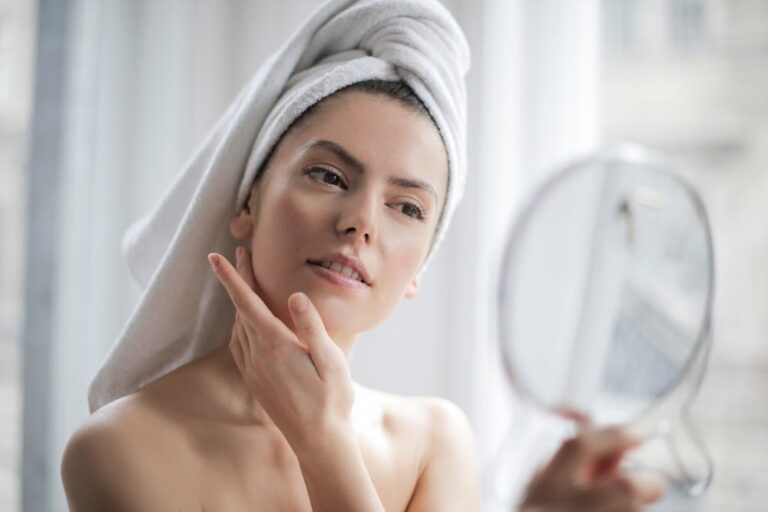

Cosmetic surgery can be a significant step for individuals seeking personal transformation and improved self-esteem. Motivations vary, from societal influences to aging concerns. Financial evaluations are essential, as costs and potential risks must be thoroughly understood. The impact on mental health and social perceptions likewise plays a critical role. Individuals should carefully consider popular procedures and the qualifications of their surgeon. Exploring these aspects can provide greater clarity on whether cosmetic surgery aligns with one’s lifestyle today.
Article Highlights
- Assess your motivations for cosmetic surgery to ensure they align with personal goals and values, rather than societal pressures or trends.
- Consider the financial implications, including upfront costs and potential long-term expenses, to avoid financial strain.
- Evaluate your mental readiness and emotional well-being, as cosmetic surgery can impact self-esteem and body image perception.
- Research popular procedures and select a qualified surgeon based on credentials, experience, and patient testimonials for safe results.
- Prepare for surgery by establishing a support system and adhering to post-procedure care guidelines to promote effective healing.
What Motivates People to Consider Cosmetic Surgery?
What drives individuals to seek cosmetic surgery? Many are motivated by a desire for a self-esteem boost and personal transformation. Societal influence plays a significant role, as peer comparisons often highlight perceived imperfections, leading to dissatisfaction with one’s appearance. Media portrayals frequently emphasize idealized beauty standards, further exacerbating feelings of inadequacy. Moreover, aging concerns prompt individuals to contemplate cosmetic options as they seek to maintain a youthful appearance. Lifestyle changes, such as weight loss or significant life events, can likewise catalyze the desire for confidence improvement. In the end, the interplay of these factors shapes individuals’ decisions, encouraging them to pursue cosmetic surgery as a means of achieving their ideal self-image and enhancing overall well-being.
Evaluating Your Personal Goals for Aesthetic Changes
How can individuals effectively assess their personal goals for aesthetic changes? First, they must explore their personal motivations, identifying the underlying reasons for seeking cosmetic surgery. This could range from enhancing self-esteem to addressing specific insecurities. Next, it is critical to set realistic expectations about the outcomes of such procedures. Comprehending that cosmetic surgery can improve appearance but may not resolve deeper emotional issues is fundamental. Individuals should likewise consider how these changes align with their lifestyle and personal values. Reflecting on the potential impact on relationships and daily life is significant. By taking the time to evaluate these factors, individuals can make informed decisions that resonate with their true aspirations and lead to satisfying results.
Assessing the Financial Investment of Cosmetic Surgery
When considering cosmetic surgery, individuals must evaluate the upfront costs involved, including consultation fees and surgical expenses. Furthermore, it is crucial to understand the long-term financial commitment, which may encompass follow-up treatments and maintenance procedures. A thorough analysis of these financial aspects can guide informed decision-making.
Upfront Costs To Consider
Although many individuals consider cosmetic surgery to improve their appearance, the upfront costs associated with these procedures can be significant. These upfront expenses vary widely depending on the type of surgery, location, and the surgeon’s expertise. Patients should expect to budget for not just the procedure itself but also for consultations, anesthesia, and any required follow-up visits. Effective financial planning is vital to navigate these costs without straining personal finances. Many clinics offer financing options, which can spread the expense over time, but it’s important to carefully evaluate interest rates and terms. In the end, comprehending these upfront costs helps individuals make informed decisions about whether cosmetic surgery aligns with their financial situation and lifestyle goals.
Long-Term Financial Commitment
Grasping the long-term financial commitment of cosmetic surgery is vital for prospective patients. Beyond initial costs, individuals must consider ongoing expenses that can arise from follow-up procedures and maintenance. Comprehending various financing options and developing effective budgeting strategies can help manage these financial responsibilities.
- Financing Options: Many clinics offer payment plans or financing through third parties, making surgery more accessible.
- Budgeting Strategies: Setting aside funds monthly can ease the financial burden, ensuring patients are prepared for both anticipated and unexpected costs.
- Long-Term Value: Evaluating the potential impact on personal and professional life can help justify the investment over time.
Recognizing these factors is fundamental for making informed decisions regarding cosmetic surgery.
Key Risks and Benefits of Common Cosmetic Procedures
Exploring cosmetic procedures reveals a terrain of both potential benefits and inherent risks. Various procedure types, such as liposuction and facelifts, can improve appearance and boost confidence. Nonetheless, individuals must consider risk factors, including potential complications like infection or scarring. Recovery time varies markedly, impacting personal and professional lives. Patient expectations should align with realistic outcomes, underscoring the importance of thorough consultation with qualified professionals. An extensive discussion about surgical techniques and their implications helps individuals make informed choices. Furthermore, exploring alternative options, such as non-invasive treatments, may provide satisfactory results with reduced risks. In the end, weighing the advantages against the risks is essential for anyone contemplating cosmetic surgery.
The Mental Health Impact of Cosmetic Surgery
The mental health impact of cosmetic surgery warrants careful consideration, as it can greatly affect emotional well-being. Changes in body image perception often arise post-surgery, potentially leading to both positive and negative outcomes. Comprehending these dynamics is vital for individuals contemplating such procedures.
Emotional Well-Being Considerations
Amid the intricacies of cosmetic surgery, emotional well-being emerges as a vital consideration. Individuals contemplating surgery should assess their emotional readiness and comprehend how it may affect their mental health. A self-esteem boost can be significant, yet personal motivations must align with values promoting body positivity.
- Support systems play an important role in managing stress factors related to surgery.
- Self-reflection helps individuals evaluate their reasons for pursuing cosmetic procedures.
- Grasping the potential emotional impact encourages a healthier mindset.
Ultimately, recognizing the interplay between cosmetic surgery and emotional well-being can lead to more informed decisions, ensuring that choices improve life quality and mental health rather than create additional stress.
Body Image Perception Changes
Transformations in body image perception often greatly shape an individual’s mental health following cosmetic surgery. Self-esteem shifts can occur as individuals reconcile their expectations with reality, influenced by cultural norms and media portrayals of beauty. Social media amplifies these perceptions, often presenting unrealistic standards that can lead to dissatisfaction and anxiety. Personal narratives surrounding cosmetic procedures vary, highlighting both positive and negative outcomes regarding body positivity and self-acceptance. Additionally, age perceptions play a significant role; younger individuals may chase trends, whereas older adults often seek rejuvenation. Overall, comprehending these dynamics is vital, as they profoundly affect emotional well-being and how individuals perceive themselves in a society steeped in visual culture.
How Societal Pressures Influence Cosmetic Surgery Choices
How do societal standards shape individual decisions regarding cosmetic surgery? In today’s world, pressures from various sources markedly influence choices surrounding cosmetic procedures. Societal norms often dictate what is considered attractive, leading many to pursue improvement to align with prevailing beauty standards. Media influence and advertising impact play vital roles, as images of idealized bodies proliferate through social media and traditional platforms. Furthermore, peer pressure and celebrity trends further complicate personal decisions, as individuals feel compelled to conform to cultural expectations.
- Community perceptions can validate or challenge personal choices.
- Generational differences may affect attitudes toward surgery, with younger individuals often more influenced by online trends.
- Cultural expectations can create a sense of obligation to meet specific beauty ideals.
A Guide to Popular Cosmetic Procedures
A growing number of individuals are exploring popular cosmetic procedures to improve their appearance and boost self-confidence. Among the most sought-after options are non-invasive treatments like Botox and dermal fillers, which offer quick results with minimal recovery timelines. Celebrity influences often drive these procedure trends, as public figures openly share their experiences, enriching cultural perceptions of cosmetic enhancement. Technological advancements have made procedures safer and more effective, whereas patient testimonials provide insight into real-world outcomes. Nevertheless, ethical considerations remain vital, as individuals weigh the motivations behind their choices. Ultimately, comprehending these factors can help prospective patients make informed decisions about cosmetic procedures that align with their lifestyles.
Finding the Right Surgeon for Your Needs
When seeking a cosmetic surgeon, it is crucial to take into account their credentials and experience in the field. Evaluating a surgeon’s surgical specialties can likewise help guarantee that they are well-suited to meet specific needs. This careful selection process can greatly influence the overall outcome and satisfaction with the procedure.
Credentials and Experience
Choosing the right surgeon for cosmetic procedures hinges on their credentials and experience. Prospective patients must prioritize credentials verification to guarantee they are selecting a qualified professional. A surgeon’s experience relevance is equally crucial, as it directly correlates with patient outcomes.
- Board Certification: Verify that the surgeon is board-certified in plastic or cosmetic surgery, confirming they meet rigorous training standards.
- Portfolio of Past Work: Review before-and-after photos to assess the surgeon’s aesthetic style and success in similar procedures.
- Patient Testimonials: Seek feedback from previous patients to gauge satisfaction and address any concerns regarding the surgeon’s approach and results.
Surgical Specialties Consideration
Selecting the appropriate surgeon involves grasping various surgical specialties relevant to the desired cosmetic procedure. Each specialty employs unique surgical techniques that impact patient safety and recovery times. Recognizing these distinctions is vital for making informed decisions.
| Specialty | Common Procedures | Key Considerations |
|---|---|---|
| Plastic Surgery | Rhinoplasty, Facelifts | Surgical ethics, aesthetic outcomes |
| Dermatology | Skin Resurfacing, Botox | Patient safety, non-invasive options |
| Oculoplastic Surgery | Eyelid Surgery | Recovery times, precision techniques |
| Oral & Maxillofacial | Jaw Surgery | Patient safety, functional improvements |
| Bariatric Surgery | Weight Loss Surgery | Long-term health, ethical considerations |
Choosing the right surgeon guarantees a focus on both successful results and adherence to ethical practices within the field.
Preparing for Your Cosmetic Surgery Journey
How does one effectively prepare for the expedition of cosmetic surgery? Thorough pre-surgery preparations are crucial for successful outcomes. Patients should engage in consultation expectations with their surgeon, addressing concerns and comprehending the procedure. Emotional readiness plays a critical role, as individuals must mentally prepare for both the surgery and the recovery period.
Key considerations include:
- Lifestyle adjustments: Modifying habits to promote healing and well-being.
- Support systems: Identifying friends or family who can assist during recovery.
- Realistic outcomes: Setting achievable goals based on patient testimonials and professional advice.
Post-Procedure Care for Optimal Recovery and Results
Effective post-procedure care is essential for ensuring optimal recovery and achieving desired results after cosmetic surgery. Adhering to post-surgery guidelines and proper wound care can greatly influence healing outcomes. Patients should prioritize rest, avoid strenuous activities, and follow their surgeon’s specific instructions.
| Post Surgery Guidelines | Wound Care |
|---|---|
| Rest adequately | Keep the area clean and dry |
| Avoid sun exposure | Change dressings as advised |
| Stay hydrated | Monitor for signs of infection |
Implementing these strategies can promote a smoother recovery process. Furthermore, regular follow-up appointments with the surgeon can help track progress and address any concerns. Overall, diligent post-procedure care supports ideal results and improves satisfaction with the cosmetic surgery experience.
Frequently Asked Questions
How Long Is the Typical Recovery Time for Cosmetic Procedures?
The typical recovery time for cosmetic procedures varies, often ranging from a few days to several weeks depending on the complexity of the surgery. Effective recovery strategies, including rest and gradual activity resumption, are essential for ideal healing. Pain management techniques, such as prescribed medications and ice packs, likewise play a significant role in comfort during the recovery process. Each individual’s healing experience may differ, influenced by factors like age and overall health.
Will Insurance Cover Any Cosmetic Surgery Costs?
In the intricate dance of healthcare finances, insurance policies often stand as a gatekeeper. Typically, cosmetic surgery costs are not covered except when deemed medically necessary, such as reconstructive procedures following an accident. Nonetheless, some insurance plans may offer limited coverage for specific surgeries, depending on the policy’s coverage limits. Individuals should consult their providers to unravel the specifics surrounding their situation, ensuring clarity in the often murky waters of insurance and aesthetics.
What Age Is Considered Appropriate for Cosmetic Surgery?
The appropriate age for cosmetic surgery typically begins in the late teens, around 18, provided individuals demonstrate emotional readiness and maturity. Teen considerations are essential, as younger patients may not fully understand the long-term implications of surgery. Surgeons often assess a candidate’s psychological state, ensuring they are making informed decisions rather than succumbing to peer pressure or fleeting desires. In the end, age is less significant than readiness and the ability to handle potential outcomes.
Can Cosmetic Surgery Be Reversed if Desired?
Cosmetic surgery can seem as permanent as a mountain, yet many procedures offer reversal options. Although some improvements, like fillers, can be dissolved, others, such as implants, require surgical removal. Individuals considering reversal may face psychological effects, including feelings of regret or disappointment. Comprehending these intricacies is essential; informed decisions can lead to better outcomes, whether one chooses to embrace or undo their surgical choices.
Are There Non-Surgical Alternatives to Cosmetic Procedures?
There are certainly non-surgical alternatives to cosmetic procedures that offer effective aesthetic improvements. Non-invasive treatments such as dermal fillers, Botox, and laser therapy can address various concerns without the need for surgery. These options typically involve minimal downtime, making them appealing to those seeking subtle changes. Patients can enjoy an improved appearance as they retain the freedom to adjust their choices over time, ensuring that their aesthetic goals align with their lifestyle preferences.