
Before listing your house to sell, you should start with curb appeal improvements, like fresh mulch and colorful flowers. Next, address common interior repairs, such as fixing leaky faucets and peeling paint, to ease buyer concerns. Don’t forget to stage your home effectively with neutral colors and organized furniture to make spaces feel inviting. Finally, consider upgrading key features like the kitchen or bathroom for added value. There’s more to explore about maximizing your home’s potential.
Article Highlights
- Start with essential repairs like fixing leaky faucets and squeaky doors to eliminate buyer concerns and create a well-maintained impression.
- Freshen up the interior with a neutral paint palette to make spaces feel larger and more inviting for potential buyers.
- Enhance curb appeal by adding fresh mulch, colorful flowers, and maintaining the exterior to create an inviting atmosphere.
- Consider upgrading key features, such as kitchen appliances or bathroom fixtures, to increase home desirability and overall value.
- Conduct a thorough home inspection to identify critical issues and prioritize repairs based on urgency and potential impact on sale price.
The Importance of Curb Appeal When Selling Your Home
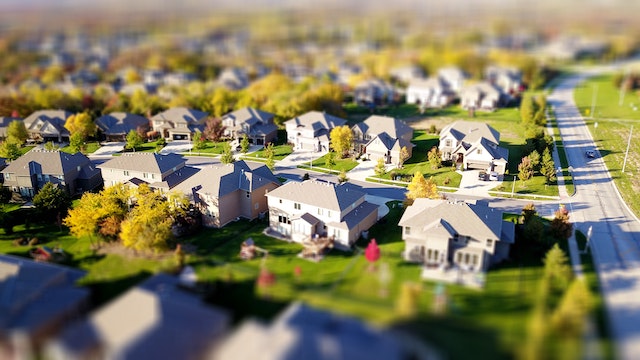
When you’re looking to sell your home, you can’t underestimate the influence of curb appeal. It’s your first chance to make a lasting impression on potential buyers. Focusing on landscaping improvements can truly transform your property. Simple things like fresh mulch, colorful flowers, or neatly trimmed hedges can create a welcoming atmosphere. Regular exterior maintenance is likewise key; make sure your siding and roof are clean, and consider a fresh coat of paint on your front door. These small changes not just boost your home’s charm but furthermore signal to buyers that the property is well cared for. When your home looks inviting, it promotes a sense of belonging, helping buyers envision themselves living there happily. Additionally, enhancing your outdoor areas can significantly increase the home’s attractiveness to buyers.
Addressing Common Buyer Concerns With Essential Interior Repairs
Curb appeal sets the stage, but the interior of your home is where buyers will truly envision their future. To create a welcoming atmosphere, start with crucial repairs that improve your interior aesthetics. Address issues like peeling paint, leaky faucets, or squeaky doors—these can trigger buyer concerns and influence their decision-making process. Comprehending buyer psychology is key; a well-maintained space signals care and invites connection. Consider fresh paint in neutral tones, which can make rooms feel larger and more inviting. Fixing worn-out flooring or outdated fixtures can likewise boost your home’s appeal. By prioritizing these repairs, you’ll create a warm, inviting environment that helps potential buyers see themselves living there, finally leading to a quicker sale. Additionally, incorporating energy-efficient upgrades can further enhance your home’s attractiveness and appeal to environmentally conscious buyers.
Staging Tips for Selling Your Home Effectively
Effective staging can dramatically influence your home’s appeal and selling potential. To create a welcoming atmosphere, consider using these staging techniques:
| Staging Technique | Description |
|---|---|
| Furniture Arrangement | Arrange furniture to maximize space and flow. Confirm pathways are clear, inviting buyers to explore. |
| Neutral Decor | Use soft, neutral colors to create a blank canvas, allowing potential buyers to envision their own style. |
| Natural Light | Open curtains and blinds to brighten rooms, making them feel airy and spacious. |
These simple but effective strategies can help potential buyers feel at home, increasing the likelihood of a quick sale. Remember, a well-staged home can resonate with buyers on an emotional level, making them more likely to envision themselves living there. Additionally, effective staging techniques can lead to faster sales in a competitive market, highlighting the importance of presentation.
Upgrading Key Features for Maximum Home Value
Upgrading key features in your home can greatly boost its market value, especially if you focus on areas that potential buyers prioritize. Start with kitchen upgrades, as this space often steals the spotlight. Consider modern appliances, fresh cabinetry, or a stylish backsplash to create an inviting atmosphere. Next, tackle bathroom renovations. A clean, updated bathroom can make a lasting impression. Think about new fixtures, updated tiles, or even a fresh coat of paint. These improvements not just raise your home’s appeal but also create a sense of warmth and belonging for prospective buyers. By investing in these key areas, you’re not merely increasing value; you’re crafting a welcoming environment that potential homeowners will envision as their own. Additionally, focusing on sought-after features can significantly enhance the desirability and overall value of your home.
When to Get a Pro for Major Home Repairs?
When tackling major home repairs, it’s essential to assess the complexity of the job first. If the project feels overwhelming, or if you’re unsure how to start, it might be time to call in a professional. Furthermore, weigh the cost of hiring someone against the value it’ll add to your home before making a decision. Additionally, considering the benefits of energy efficiency upgrades can enhance your home’s appeal and potentially increase its value in the long run.
Assessing Repair Complexity
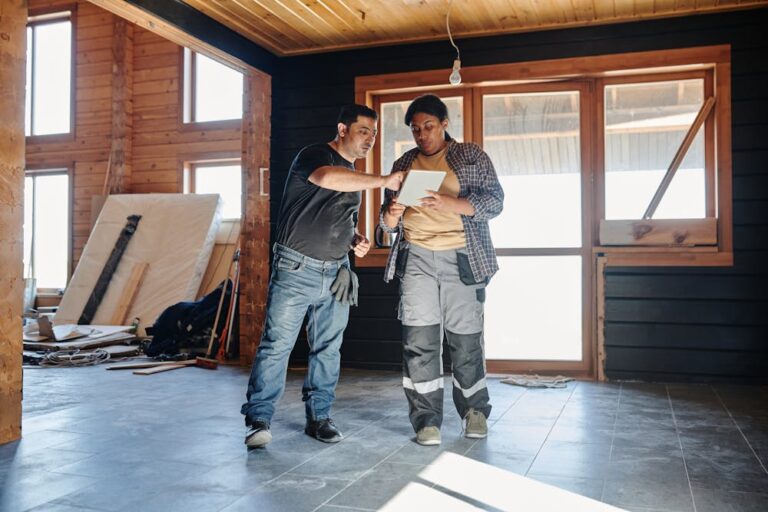
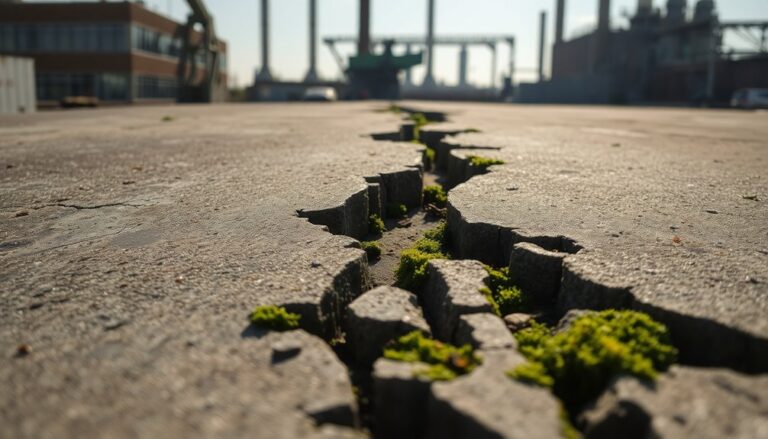
While addressing home repairs can be tempting, it’s crucial to assess the complexity of each task before diving in. Start with a thorough home inspection to identify critical issues. From there, prioritize repairs based on their urgency and potential impact on your home’s value. Some repairs, like minor paint touch-ups or simple landscaping, you can likely handle yourself. Nevertheless, for more complex tasks—think plumbing or electrical work—it’s wise to call in a pro. Not just can they save you time, but they’ll as well guarantee the job’s done right. Remember, effective repair prioritization can make your home more appealing to buyers and help you feel confident in your selling process. Don’t hesitate to seek help when needed; you’re not alone in this!
Evaluating Cost vs. Value
How do you know if a major repair is worth the investment? Evaluating cost vs. value is vital. You want to make sure you’re making decisions that not only enhance your home but also draw in potential buyers. Here’s a quick guide to help you decide when to get a pro for major repairs:
| Repair Type | Estimated Cost | Potential Value Increase |
|---|---|---|
| Roof Replacement | $10,000 | $15,000 |
| Kitchen Remodel | $20,000 | $30,000 |
| Bathroom Upgrade | $15,000 | $25,000 |
| HVAC System | $5,000 | $8,000 |
| Deck Addition | $12,000 | $18,000 |
Conducting a cost estimation and a value analysis guarantees you invest wisely, making your home a desirable place for potential buyers.
How to Price Your Home Competitively After Making Repairs
Wondering how to set a competitive price for your home after making repairs? Start by conducting a thorough market analysis. Look at similar homes in your neighborhood that have sold recently, focusing on their condition and features. This’ll give you a clear idea of competitive pricing in your area. Don’t forget to assess the value of the repairs you made—buyers appreciate move-in ready homes, and your updates can enhance your asking price. Consider getting a professional appraisal to guarantee you’re not undervaluing your home. Finally, be flexible and open to negotiations; a well-priced home invites offers and makes potential buyers feel like they belong. With the right approach, you’ll find the perfect price that reflects your home’s value. Additionally, analyzing economic indicators can further enhance your understanding of market conditions and help you set a price that resonates with prospective buyers.
Frequently Asked Questions
How Much Should I Budget for Repairs Before Selling?
In terms of repair budgeting, don’t let uncertainty overwhelm you! Start by estimating costs for necessary repairs, aiming for about 1% to 3% of your home’s value. This range gives you a solid starting point without breaking the bank. Prioritize projects that’ll improve your home’s appeal and assure potential buyers of its quality. Remember, investing wisely now can lead to a more profitable and pleasant selling experience later. You’ve got this!
What Repairs Offer the Best Return on Investment?
Kitchen upgrades and exterior improvements typically offer the best return on investment when selling your home. A modern kitchen can attract buyers and greatly increase your property’s value. Don’t underestimate curb appeal; fresh landscaping or a new front door can make a strong first impression. By focusing on these areas, you’ll not just improve your home’s aesthetic but additionally cultivate a sense of belonging for potential buyers, making them feel at home.
Should I Disclose All Repairs Made to Potential Buyers?
Yes, you should disclose all repairs made to potential buyers. Repair transparency builds buyer trust, making them feel more comfortable with their investment. When you share what you’ve done, it shows you care about the home’s condition and its future. Plus, it can prevent surprises later, encouraging a sense of belonging in the transaction. In the end, honesty can set you apart, helping you connect with buyers who appreciate transparency and integrity.
How Can I Prioritize Repairs Effectively?
To prioritize repairs effectively, start by conducting a cost benefit analysis. Identify which repairs will yield the highest return on investment and improve your home’s appeal. Consider repair timelines, focusing on quick fixes that can be completed easily. Don’t forget to tackle any major issues that could deter buyers. By addressing these repairs first, you’ll create a welcoming environment that encourages a sense of belonging for potential buyers.
Will Repairs Help My Home Sell Faster?
Absolutely, repairs can make your home sell faster! Think about it: would you want to buy a house that looks neglected? Enhancing curb appeal not only boosts buyer perception but furthermore creates an inviting atmosphere. Fixing minor issues, like peeling paint or a leaky faucet, shows potential buyers that the home’s well cared for. When they feel welcome, they’re more likely to make an offer, so investing in repairs pays off.